
12kV Indoor Disconnect Switch: Key Specs for Power Systems
2026-11-04 17:33:54
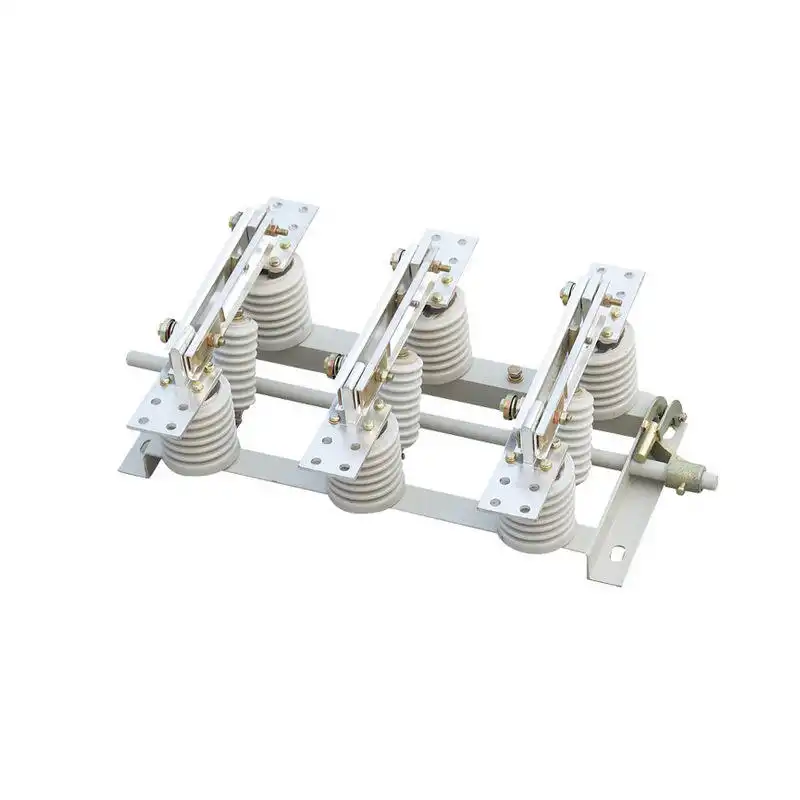
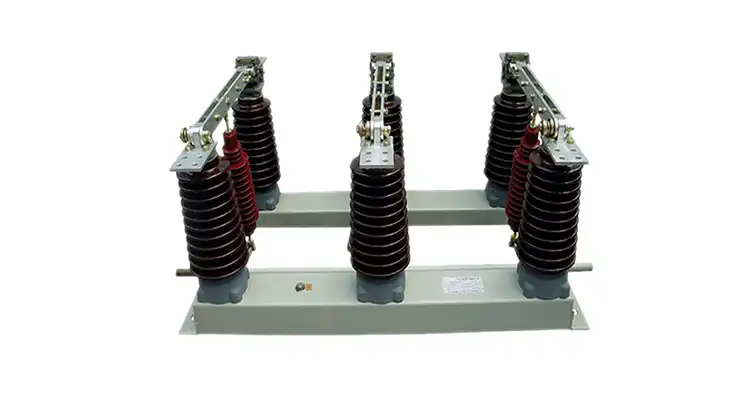
A 12kV indoor disconnect switch gives you a visible, secure break between live equipment and the section your crew needs to service. The key specs to check are rated voltage, rated current, short-time and peak withstand current, insulation withstand, contact resistance, and the operating mechanism. Cabinet fit matters just as much. Our GN19 High Voltage Disconnect Switch covers 12kV systems at 400 A, 630 A, 1000 A, and 1250 A with a manual mechanism. This guide walks you through each spec, so you can match an indoor disconnect switch to your switchgear and your project.
What a 12kV Indoor Disconnect Switch Does in a Power System
Core Function: Visible Isolation
An interior disconnect switch when open provides a definite point of separation between the equipment being serviced and the energised portion of the circuit. According to IEC 62271-102, a disconnector is a mechanical switching mechanism which, in the open state, offers an isolating distance. Depending on its design and rating it can carry normal current and withstand short-circuit current for a set period of time. It is not designed to interrupt load current or fault current. For the GN19, the breaker is opened first and the disconnect switch opened to provide visual isolation, and grounding is performed according to the authorised safety protocol before workers begin operating. I teach project teams that the switch offers a visual isolation point, but the electrical safety method also rely on the breaker, interlocks, grounding, and verification stages.
Key Ratings to Check Before You Buy
The 12kV marking is only one aspect of the requirements. Check the rated voltage, rated current, power frequency withstand voltage, lightning impulse withstand voltage, short-time withstand current and peak withstand current. Typical GN19-12 statistics may be 42 kV power frequency withstand voltage for one minute and 75 kV lightning impulse withstand voltage. The short-time withstand current may be selected from 20 kA to 31.5 kA for 4 seconds. The peak withstand current can be 50 kA or 80 kA, depending on configuration. Coordinate these data with your system voltage and fault research. Then check that the data sheet values are accurate for the rating and configuration you have chosen.
US Standards and Voltage Class Fit
U.S. project requirements may specify equipment by a nominal system voltage, e.g., 15 kV, although the equipment itself is rated at 12 kV according to the appropriate IEC or industry standard. These identifiers are not to be confused with each other without reference to the project specification and the standard that applies. IEEE C37.30.1 covers AC high-voltage air switches with ratings over 1000 V. IEEE C37.20.2 covers metal-clad switchgear. The GN19 we produced is up to GB/T 1985 and IEC 62271-102. If a project is subject to IEEE, UL, or other U.S. standard, an indoor disconnect switch may be required as well as other project specific paperwork or testing. Tell the project leader what ratings and criteria you need. If you provide us with your specs early we may check for errors in ratings, test reports or labelling before they need to be re-designed and repaired.
GN19 Indoor Disconnect Switch: Ratings, Contacts, and Options
Ratings and Manual Operation
Our GN19 High Voltage Disconnect Switch comes in four different models, and all of them can be used as a 12kV indoor disconnect switch. The 400 A, 630 A, 1000 A, and 1250 A types are available. A CS6-1 type manual lever mechanism makes it work. There is a mechanical interlock that helps make sure nothing goes wrong. Fixed switchgear that doesn't need a remote can be operated by hand, and the switch doesn't need power from the control system. The operator has to work the handle since it is linked to a lever. Check your cabinet drawing to see where the handles are and how much room there is for the swing. This will make sure that the operator can get to the machine easily for maintenance.
Contact Design and Contact Resistance
Contact resistance is a very important gauge for project engineers. The GN19-12 has a rotating blade structure mounted on post insulators made of epoxy resin or ceramic. These are connected to a steel frame. The blades are made of electrolytic copper with a silver-plated contact surface. This helps keep contact resistance low, often below 50 µΩ, and reduces oxidation and excessive heating at the contact points. We suggest that you use a micro-ohm meter to check the resistance between the closed contacts. During acceptance, compare the reading to the value on the data sheet. If the reading is too high, possible causes include insufficient contact pressure, contamination, mechanical misalignment, or contact-surface problems. Under rated current, excessive contact resistance can cause additional heating, so abnormal readings should be investigated before the equipment is placed into service.
Options for Pollution, Altitude, and Voltage Indication
There are three kinds of GN19 indoor disconnect switches. This is where each one goes:
- Type for high pollution: Made for dusty or dirty places like metals, mining, and chemical plants. Tracking and flashover can happen over time if insulating surfaces become contaminated. How dirty is your site? We'll make sure your switchgear is configured appropriately if you provide the site conditions.
- Type for high altitude: Standard units can be used for projects up to 1000 m above sea level. At higher elevations, reduced air density can lower external insulation withstand capability, so a suitable high-altitude configuration or increased clearances may be required. The Xi'an Xikai plateau type of equipment can be used at heights of up to 4,000 meters. In your inquiry, you should specify the installation altitude.
- Type with voltage indication: The additional voltage indicator on this version can help crews identify the electrical status of the circuit. It should not replace the approved test-for-dead procedure or a properly rated voltage tester required by the applicable safety rules.
Most of the time, we see these kinds of sites, such as industrial plants with pollution exposure and substations at high elevations.
Fit, Wiring, and Safety for Your Indoor Disconnect Switch
Cabinet Size Fit and Phase Spacing
Size matters more than price or wait time most of the time. The GN19-12 is used when there isn't much room inside fixed metal-enclosed switchgear, like the XGN2-12 and GG-1A. Before you place your order, look at your cabinet drawing and make sure that the indoor disconnect switch mounts correctly and has the right phase spacing, terminal position, and handle placement. To check the gaps between phases and between phases and ground, use verified plans instead of nominal values. Additional clearance may be required because of factors such as altitude, humidity, and pollution. Please send us a copy of your cabinet plan. Before we start making the cabinets, we will make sure there are mounting holes, busbar connection points, and easy access.
Wiring and Operating Sequence
Typically, electricity comes from the incoming supply, via the proper circuit breaker or other safety device, to the indoor disconnect switch and then to the load. Always use the recommended switching sequence when using an indoor disconnect switch. First shut off the circuit breaker and check for voltage. Then open up the disconnect switch and lock it in the position you choose. If your procedure demands it, close the grounding switch. The breaker should be linked with the GN19 so that the disconnect switch may only be actuated under the specified off-load circumstances. If electricity is running and the disconnect switch is activated, an electrical arc may emerge, which may be a major safety issue. Before initial energisation of the equipment, know the phase arrangement, bolt torque and indicator position.
Safety Rules and Code Requirements
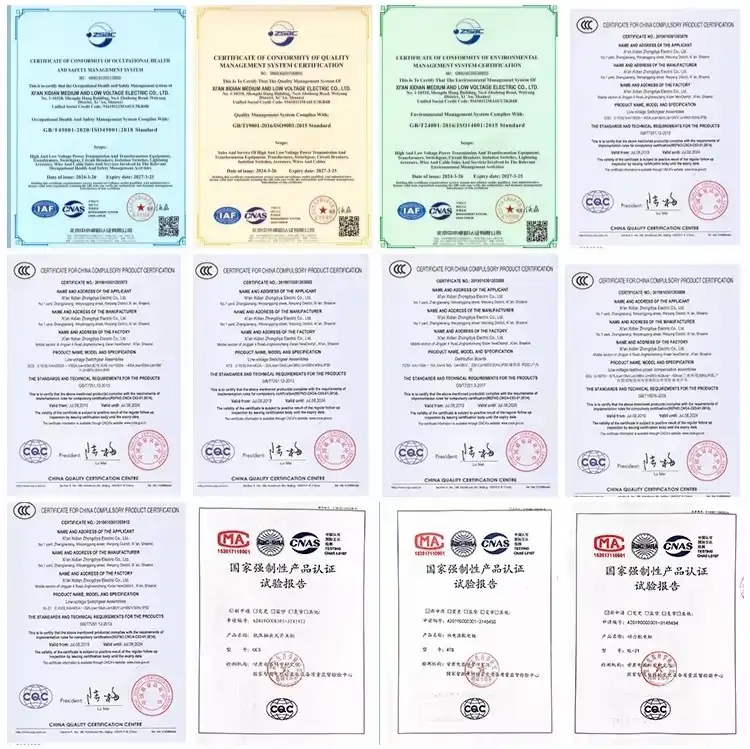
An indoor disconnect switch is not intended to interrupt short circuits, hence the whole protection and isolation system is required for safe operation. To further increase safety, the installation may additionally need to be protected against water, corrosive gases, humidity, dust and other environmental factors. In the USA NFPA 70E gives regulations and procedures for electrical safety in the workplace and IEEE 1584 provide methodologies for analysing arc-flash threats. Lockout/tagout, test for dead steps, grounding, PPE, and approach limits are all key components of the work method. Only trained individuals should operate or service this device. Your reviewer will want to receive type-test reports, routine-test records and temperature-rise data from your supplier, to compare with the project requirements.
How to Select the Right Indoor Disconnect Switch
Disconnect Switch vs. Circuit Breaker vs. Load-Break Switch
Each of these three devices has its own purpose. A disconnect switch provides electrical isolation and an isolating distance when open. A circuit breaker can interrupt normal load current and fault current within its rated interrupting capability. A load-break switch is designed to interrupt specified load currents, but its fault-interruption capability is not the same as that of a circuit breaker. They often work together. The circuit breaker interrupts the current, and the disconnect switch provides the isolation needed for maintenance. There are more choices when it comes to fixed or withdrawable layouts, manually or motor-operated mechanisms, fused or non-fused designs, and so on. An isolator like the GN19 that is operated by hand keeps the design simple for switchgear that stays in one place and doesn't move around much. If your project needs frequent switching or remote operation, talk to our team about other products.
Application-Specific Selection
The application determines the appropriate design. Disconnect switches, breakers, fuses, and grounding systems must work together with generator feeds to prevent unsafe switching conditions and unwanted backfeed. In motor circuits, we need to consider starting current and switching frequency. Transfer equipment and backfeed prevention need to be considered in generator systems. For projects that store and use renewable energy, AC and DC need to be kept separate because an AC disconnect does not necessarily provide the required isolation or switching function for DC circuits. It might be best for places with a lot of dust and vibration, like mines, chemical plants, and metallurgy plants. In a distribution center, an indoor disconnect switch isolates power to one line so that it can be serviced while the rest of the network remains energized.
A Five-Step Selection Process
There is less danger in purchasing if there is a defined method. Determine first the system voltage, frequency, load current, grounding scheme and short-circuit level. Then define the application. Will the switch offer simple isolation, will it cooperate with other switching equipment, or will it support a particular working sequence? Then check that the chosen ratings satisfy the necessary current, insulation level and short-circuit withstand requirements. Then verify that the handle, the terminals, the interlocks, the secondary contacts and the mechanical connections are all in place correctly. Finally, compare test papers, lead time, replacement parts, warranty and technical assistance of each supplier. Using a weighted score sheet, explaining this to your project manager and design engineer is not difficult.
Testing, Maintenance, and Buying an Indoor Disconnect Switch
Acceptance and Commissioning Tests
The model, ratings, accessories, and drawings that were supplied should be compared with those specified on the purchase order. Also, check for damage that happened during shipping. Typical acceptance and commissioning checks may include contact resistance, power-frequency withstand voltage, lightning impulse withstand voltage where applicable, mechanical operation, interlock operation, and temperature rise at rated current. Contact resistance is an important indicator of contact condition, but it should be evaluated together with the other test results. For example, some GN19 configurations may specify a power-frequency withstand voltage of 42 kV for one minute and a lightning impulse withstand voltage of 75 kV. Always make sure that your test instruments are calibrated, and record all of your results, changes, and approvals in the project paperwork.
Maintenance and Troubleshooting
According to the operation frequency and surrounding environment, set the inspection frequency. Make a thorough examination yearly or every 100 operational cycles or as recommended by the manufacturer's maintenance plan. Clean insulators, lubricate connections as recommended and check bolts for tightness. It is also crucial to assess the contact resistance. Most of the time, problematic operation signifies that the connection is misaligned, polluted, or otherwise damaged. Excessive contact resistance, inadequate contact pressure, weak connections or contamination may cause abnormal heating. To remedy this, determine the source of the problem before tightening connections or replacing worn parts. Then clean the surfaces as per the manufacturer’s recommendations and apply the recommended contact lubricant just where necessary. Low insulating resistance might be caused by moisture, contaminants or tracking. If the contacts, insulation, or working mechanism are damaged beyond the manufacturer’s permitted limitations, it is time to repair or replace the switch.
Procurement Guide and RFQ Details
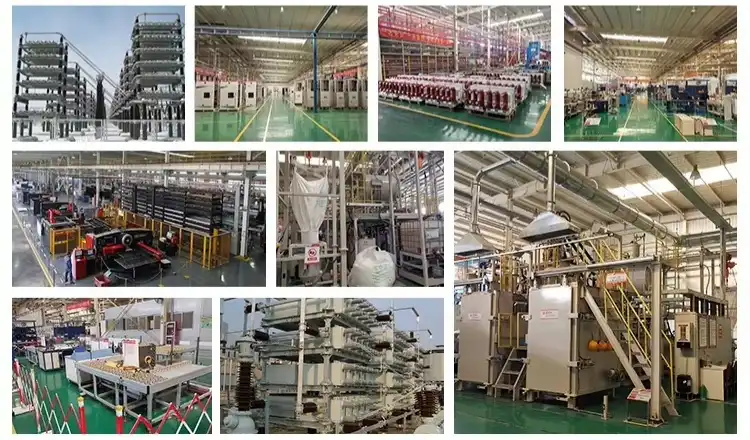
With a full RFQ, quotes come in faster. Write down the frequency, voltage, current, withstand ratings, working method, grounding needs, terminal information, standards, quantity, shipping location, and what you expect from the test. Many EPC projects order between five and fifty sets, so it's important that the lead time is good and that each set is the same. When you buy an indoor disconnect switch, think about how much it will cost you over time. Setting it up, maintaining it, getting spare parts, downtime, and the service life are all part of this. Xi'an Xikai sells more than 100 different kinds of goods in 7 groups. Switchgear, dry-type transformers, and vacuum circuit breakers are some of these. The State Grid, steel and metallurgy, petrochemicals, and rail transit all use our goods in their projects.
Conclusion
Crews can see where the power is isolated with a 12kV indoor disconnect switch, but it doesn't stop fault or load current. You should look at the rated current and voltage, withstand capabilities, contact resistance, and operating mechanism to decide which one to buy. Cabinet fit, clearances, and site factors like pollution and altitude are the next things to consider. With 12kV, the GN19 can handle 400 A to 1250 A and has a lever mechanism that you have to move by hand. It also lets you choose between configurations for pollution, high altitude, and voltage indication. To use the equipment safely, you need to follow the correct switching sequence, use the required interlocks, and follow applicable NFPA 70E practices in the U.S. Acceptance tests, regular maintenance, and a full RFQ help make sure that the switch stays matched to its switchgear over the course of its service life.
FAQ
1. Can an indoor disconnect switch open under load?
The GN19 is not a load switch; it is an off-load disconnect switch. A dangerous arc can form and hurt people or damage equipment when you open it while current is flowing. First open the circuit breaker and verify that the circuit is de-energized. Then open the disconnect switch to establish the required isolation.
2. Which current ratings does the GN19 offer?
The GN19 comes in 400 A, 630 A, 1000 A, and 1250 A at 12kV. Every version is operated by a system of hand levers. Pollution, altitude, and voltage-indication configurations can be selected when the site requires them.
3. Can I install it above 1000 meters?
These units are suitable for installations up to 1000 m above sea level under the standard configuration. For higher elevations, you need the high-altitude type or a configuration with appropriate insulation clearances. Give us the installation altitude so we can make sure the appropriate plateau-type equipment is selected for the site.
4. Which documents should I request?
You could ask for the manual, type-test results, routine-test records, and the data sheet, among other documents. Your engineer can use these documents to verify how the test results, ratings, and clearances match the needs of the project.
Contact Xi'an Xikai for a 12kV Indoor Disconnect Switch Specification Review
The Xi'an Xikai company makes indoor disconnect switches for indoor switchgear and has equipment options for plateaus up to 4,000 meters high. Send them your load data and cabinet plans. For your job, they will look at GN19 options that run from 400 A to 1250 A. Email serina@xaxd-electric.com, amber@xaxd-electric.com, luna@xaxd-electric.com to learn more.
References
1. IEC 62271-102: High-voltage switchgear and controlgear – Part 102: Alternating current disconnectors and earthing switches, 2018
2. IEC 62271-1: High-voltage switchgear and controlgear – Part 1: Common specifications for alternating current switchgear and controlgear, 2017
3. IEEE C37.30.1: IEEE Standard Requirements for AC High-Voltage Air Switches Rated Above 1000 V, 2011
4. IEEE C37.20.2: IEEE Standard for Metal-Clad Switchgear, 2015
5. NFPA 70E: Standard for Electrical Safety in the Workplace, 2024
6. IEEE 1584: IEEE Guide for Performing Arc-Flash Hazard Calculations, 2018