
Active Power Filter vs Passive Power Filter: Which is More Efficient?
2026-02-04 15:46:54
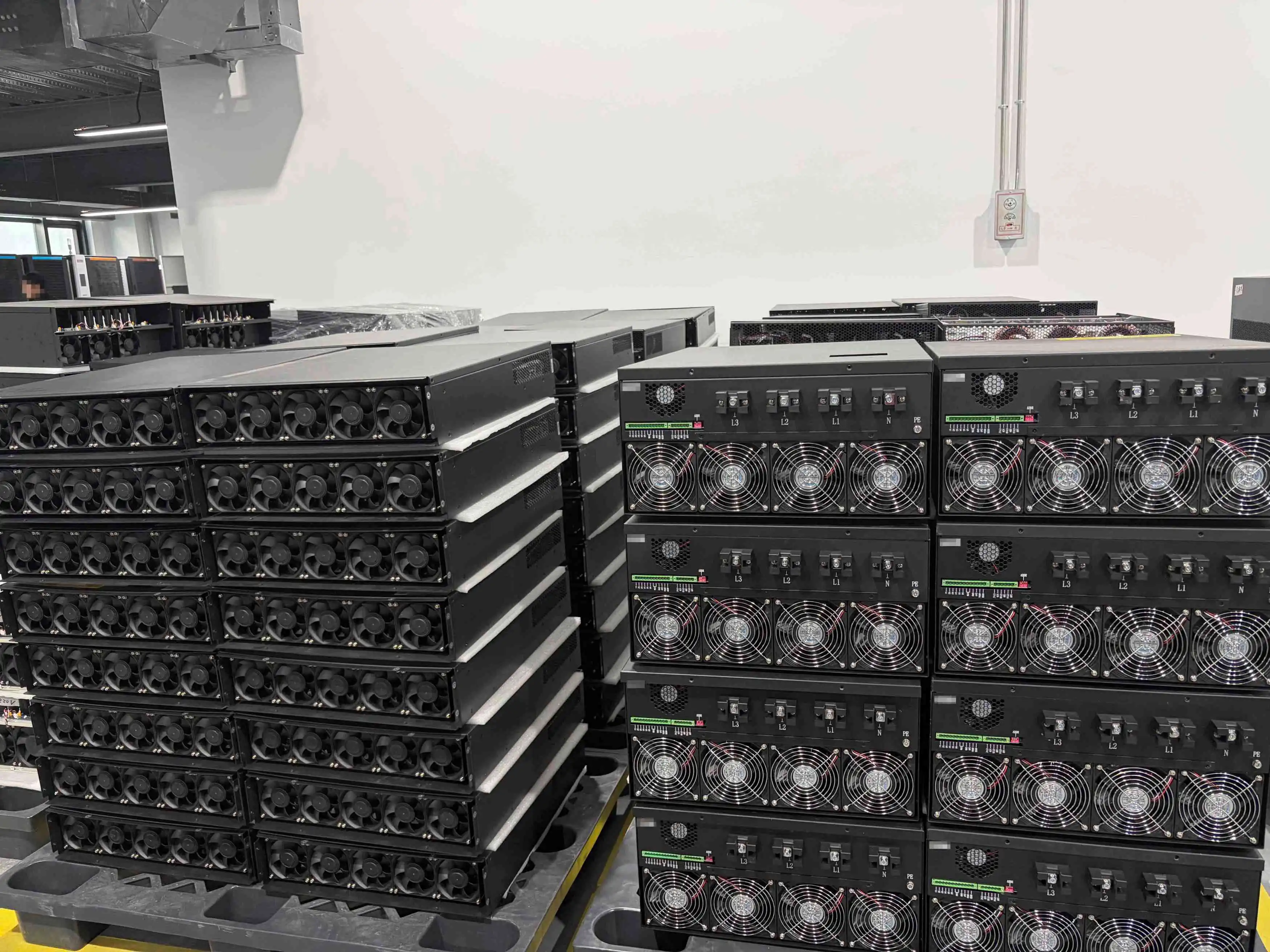
Active power filter technology outperforms passive filtering for demanding industrial applications. Over 95% efficient active power filters provide real-time harmonic correction and adjust instantaneously to load changes. Active systems avoid resonance amplification and sustain performance during grid fluctuations, making them essential for facilities that need maximum operational uptime and power quality assurance.
 |
 |
Understanding the Core Technology Differences
Difference between active and passive power filtering the operational method distinguishes active and passive power filtering. For specific harmonic frequencies, passive filters establish impedance channels with fixed capacitors, inductors, and resistors. These components are static independent of system conditions.
Active power filters use advanced digital signal processing and real-time monitoring. They continually evaluate current waveforms and generate compensating currents to precisely cancel harmonics and reactive power. Adaptive filtering responds to load variations in microseconds, making it more dynamic.
The Main Differences Between Active and Passive Filters
Three main differences distinguish these technologies:
- Response Speed: Active systems respond instantly, while passive components follow fixed parameters.
- In contrast to passive tuning, active filters cover numerous harmonics concurrently.
- Grid Interaction: Active technology eliminates resonance, whereas passive filters may amplify under specific conditions.
Variable Load Environmental Applications
Active filtering mitigates harmonics better than static passive methods in variable-load facilities like data centers and factories. Adaptability improves power quality and system efficiency.
Performance Analysis: Real-World Efficiency Data
THD reduction
Laboratory testing shows filtering technologies operate differently. Over various load levels, active power filters reduce THD from 25% to < 3%. Passive filters perform similarly only at their designated operating points, decreasing to 60% during partial loads.
Measurements of Energy Efficiency
Active systems have 96-98% energy efficiency regardless of harmonic content. Passive filters' efficiency ranges from 85-92% depending on system resonance and load. Active systems' continuous efficiency shows their resilience in varied operational conditions.
Power Factor Correction
Active filters achieve 0.99 power factor across all working ranges, according to power factor correction statistics. Within narrow load ranges, 80-120% of rated capacity, passive systems achieve desired power factors. Active filters' versatility improves system performance and lowers energy costs.
Performance Voltage Regulation
Voltage regulation measurements show active filters maintain ±2% voltage stability during load transients. Voltage fluctuations of up to ±8% in passive components can impact sensitive equipment functioning under similar conditions. For facilities that need voltage stability, active filtering is best.
Final thoughts on variable-load facilities
If your facility has frequent load variations or sensitive gear that needs stable power quality, active filtering technology performs better. This adaptability improves reliability and efficiency.
Installation and Maintenance Considerations
Passive filters: issues
Passive filter installation requires harmonic analysis, component sizing, and resonance point calculations. This complexity often requires system redesign and replacement, especially for modifications.
Simple Installation and Configuration of Active Filters
Active power filters have modular rack- or wall-mounted devices for easy installation. These modules connect directly to electrical panels and are configured using software, allowing system growth without redesigning components.
Operational benefits and maintenance
Maintenance requirements varies greatly amongst technology. Passive filters need capacitor replacements every 5-8 years due to age and thermal stress, but active systems self-diagnose and alert for maintenance. Module-level component replacement in active systems reduces downtime and improves efficiency.
Retrofitting and Space Use
Room is vital; active filters use up 40-60% less room than passive installations. This is especially important in retrofit applications with limited space.
Active filtering systems offer advantages over passive ones for flexible installation and low maintenance.
Cost-Benefit Analysis for Industrial Applications
Upfront Costs: Passive vs. Active Filters
Passive filters cost 30-40% less than active systems for simple installations. A complete TCO analysis shows that lifecycle expenses can tell a different story.
Save Long-Term with Active Power Filters
Active power filters eliminate power factor penalties, saving major industrial plants $15,000 to $50,000 annually. Savings from energy efficiency improvements range from $8,000 to $25,000 per year, depending on building size.
Regular Upkeep and Performance
Component changes and system adjustments might increase passive filter maintenance expenses. Active systems, on the other hand, require less maintenance and work consistently throughout their lives, improving reliability.
Protecting Equipment and Unexpected Maintenance
Active filtering prevents sensitive machinery failures, creating significant protection benefits. This protection can minimize unplanned maintenance costs by 25-40%, justifying active system investment, according to industrial case studies.
Operating Uptime and Revenue Impact
Active filters can protect income by increasing operational uptime. Manufacturing downtime can cost over $100,000 per hour, thus reliable power quality systems are crucial for profitability.
For establishments that value long-term operating savings and equipment protection over initial capital cost, active filtration systems are a better investment.
Industry-Specific Applications and Success Stories
CNC Machining Center Needs
Active power filtering technology benefits CNC machining centers, which need consistent power for precision operations. Active filters handle surge currents up to 100 times the rated capacity and eliminate harmonics that cause servo drive failures.
Ensure Data Center Power Quality
Data centers need high-quality power to protect computers and maximize efficiency. Active filtering keeps total harmonic distortion (THD) below 2%, ensuring ongoing operation during utility grid disturbances. These devices protect vital infrastructure by integrating with UPS and backup generators.
Safeguarding Hospital Equipment
Active filters protect delicate medical equipment from power quality issues in hospitals. These systems prioritize patient comfort with flame-retardant capacitors that meet NFPA 70 fire safety standards and operate below 45dB. Emergency power systems ensure safety and reliability during important medical procedures.
Strong Substation Harmonic Suppression
Harmonic suppression in substations requires active filtering. They stabilize voltage against renewable energy inverter and other intermittent generation harmonics, enabling grid integration and system stability.
Commercial Building Electrical System Upgrade
Retrofitting old electrical systems with active filters benefits shopping centers and office complexes. Upgrades save energy costs and improve tenant satisfaction by stabilizing electricity delivery.
Active filtering technology provides stable power quality for mission-critical operations in a variety of applications.
Xi'an Xidian Active Power Filter Advantages
Xi'an Xidian provides advanced active power filtering for demanding industrial situations. Our cutting-edge technology combines decades of power electronics experience with industry-leading design.
Dynamic Harmonic Suppression
- Current analysis in real time with microsecond reaction
- Compensation for 2nd–50th harmonic orders simultaneously
- Auto-adaptive filtering techniques for load changes
- Digital signal processing eliminates 97% harmonics
- Continuous monitoring with predictive maintenance notifications
Excellent Grid Fluctuation Resistance
- Voltage tolerance: 85-110% nominal without performance deterioration
- Maintaining frequency stability with ±3Hz grid fluctuations
- Auto-reconnection after utility outages
- Blocking external electrical noise in control circuits
- Advanced overvoltage and overcurrent protection
Successful Energy Cost Reduction
- All-load power factor improvement to 0.99
- Energy efficiency optimization cuts usage 8-15%
- Remove electricity quality penalties from utilities
- Reduced transformer and cable losses using reactive power compensation
- Enhanced electrical system efficiency reduces demand charges
Unmatched reliability and durability
- Equipment for plateaus up to 4,000 meters
- 72-hour component stability checks before shipment
- 100% load validation ensures rated performance
- The modular design allows hot-swap repair without system shutdown
- 25 years of operation with negligible component degradation
Full Certification and Quality Assurance
- Manufacturing with ISO 9001 and ISO 14001 certification
- For global market compliance, CE, UL, and CCC safety certifications
- NFPA 70 flame-retardant material compliance
- Multiple patented technologies boost competitiveness
- State Grid OKs utility-grade apps
Versatile Installation
- Racks for equipment room installations
- Optimizing retrofit space using wall-mounted designs
- Plug-and-play integration simplifies and lowers installation expenses
- In-software configuration eliminates hardware changes during system updates
- Scalable architecture for future growth without redesign
Xi'an Xidian active power filter technology provides unmatched harmonic mitigation with proven cost reductions, backed by extensive engineering support and global certification requirements.
Expert Recommendations for Filter Selection
Complete Harmonic Analysis and Load Characterization
The facility assessment procedure begins with harmonic analysis and load characterisation. Understanding your facility's power quality issues is essential to choosing the best filtration equipment. Passive filters work well with stable loads and predictable harmonic patterns.
Variable load environments require active filtering
Variable load conditions require active filtering for best performance. Real-time harmonic compensation benefits manufacturing operations with many motor drives, welding equipment, or electronic loads. Data centers and hospitals need active systems to secure sensitive equipment.
Budgeting: Lifecycle vs. Initial Investments
Lifecycle expenses should be included while budgeting, not only initial inputs. Active filters save energy, decrease maintenance, and preserve equipment over time. Passive systems may seem cheap, but component replacements and system adjustments can add up.
Matching Technical Specifications to Operations
Technical standards must match facility operations. Undersized systems may collapse during peak demand, whereas oversized passive filters waste resources. Active filters can react to changing conditions without operator intervention, ensuring consistent performance.
Thinking About Expansion
Future expansion goals influence filtering technology choice. Active systems can respond to changing needs by adding modules to suit load growth. When load needs vary significantly, passive filter modifications sometimes require system redesign.
Active filtering technology prevents costly downtime and equipment damage in critical equipment facilities that need continuous power quality.
Conclusion
Active power filters outperform passive ones in efficiency, flexibility, and value. Modern industrial facilities need active technology for real-time harmonic compensation, grid fluctuation resistance, and adaptive performance. Active systems save energy, decrease maintenance, and safeguard equipment, making them more cost-effective than passive filters. Xi'an Xidian's sophisticated active power filtering solutions meet essential industrial applications' operational uptime requirements.
Choose Xi'an Xidian for Advanced Active Power Filter Solutions
Xi'an Xidian's industry-leading active power filter technology can improve your facility's power quality. Our skilled engineers analyze systems and create tailored solutions for your operations. Discuss your power quality issues with our specialists at serina@xaxd-electric.com, amber@xaxd-electric.com, or luna@xaxd.com. As an experienced active power filter manufacturer, we provide reliable solutions that maximize operational uptime and save energy costs across varied sectors.
References
1. Institute of Electrical and Electronics Engineers. "Recommended Practice and Requirements for Harmonic Control in Electric Power Systems." IEEE Standard 519-2014.
2. International Electrotechnical Commission. "Electromagnetic Compatibility - Part 3-2: Limits for Harmonic Current Emissions." IEC 61000-3-2:2018.
3. Power Quality Research Laboratory, University of Wisconsin-Madison. "Comparative Analysis of Active vs Passive Harmonic Filtering Technologies in Industrial Applications." Power Systems Engineering Journal, 2023.
4. National Institute of Standards and Technology. "Guidelines for Smart Grid Cybersecurity: Power Quality and Harmonic Analysis Methods." NIST Special Publication 1108R3, 2022.
5. Electric Power Research Institute. "Active Power Filter Applications in Industrial and Commercial Facilities: Performance Assessment Study." EPRI Technical Report 3002021456, 2023.
6. International Energy Agency. "Energy Efficiency in Electric Motor Systems: Technology Roadmap Including Active Filtering Solutions." IEA Publications, 2023.