
Indoor Disconnect Switch: Horizontal vs. Vertical Operating Mechanisms
2026-11-10 17:20:19
A horizontal operating mechanism moves the handle from side to side, while a vertical one moves it up and down. Neither type changes the electrical rating of an indoor disconnect switch. The right choice depends on cabinet size, handle clearance, operator access, and the force needed to open or close the blade. Horizontal designs often fit wide or low layouts. Vertical designs suit conventional panel arrangements. Before ordering, I recommend checking voltage, current, contact resistance, interlocks, and mounting dimensions. This guide compares both options and shows where the Xi'an Xikai GN24 fits in medium-voltage projects.
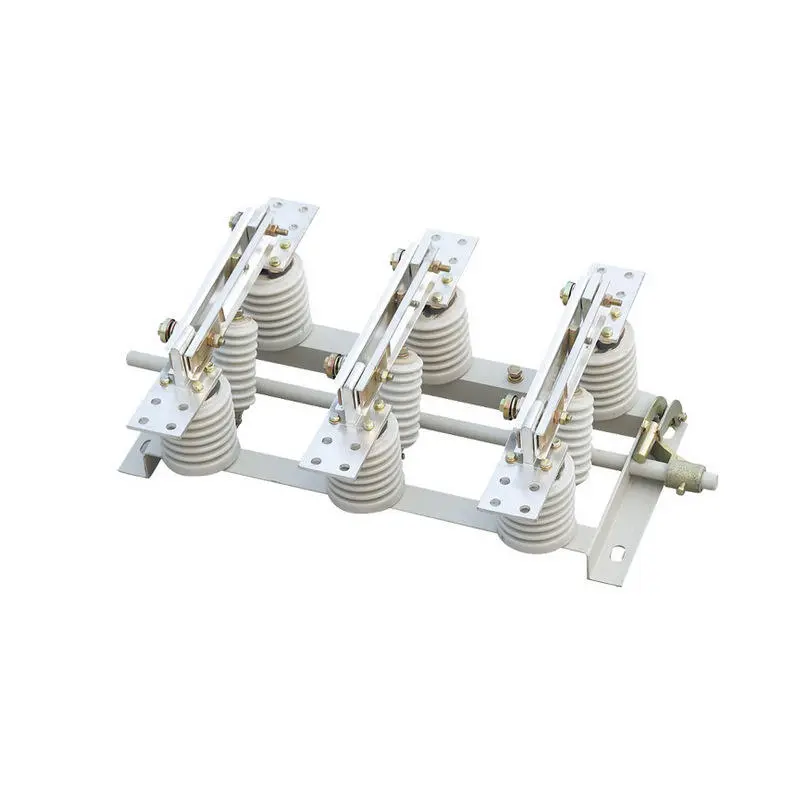
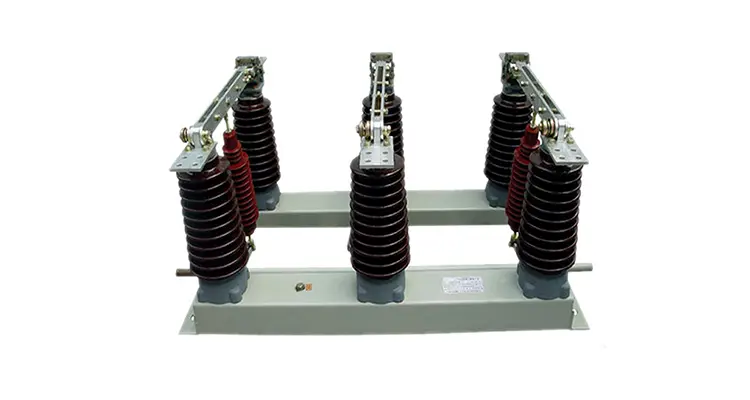
Introduction: Why Operating Direction Matters in an Indoor Disconnect Switch
What Operating Direction Means
When the switch is open or closed, the operating direction tells you which way the handle, lever, or shaft moves. It doesn't talk about the IT used for internal communication. When the mechanism moves across, it moves to the side. It can move up or down in a straight line. A good deal of people buy this because they like the style. It changes how easy it is to read the position, how much room the handle needs, and where the person stands in real life. If you have a small cabinet, the amount of handle travel can make or break the design. That's why I believe this point should be chosen early on in the specification stage.
What an Indoor Disconnect Switch Does
Inside a building, an indoor disconnect switch turns off the power to a circuit or piece of equipment so that it can be checked out or fixed. IEC 62271-102 says that a disconnector is a device that, when it is open, makes a clear space between two places. It lets normal current flow through when it's closed, but it doesn't stop load current like a circuit breaker does. A normal indoor disconnect switch also doesn't protect against too much current or a short circuit. That is taken care of by fuses or switches further up the line. A lot of tips on the Internet talk about low-voltage safety buttons that are 30 A, 60 A, or 100 A. This piece talks about the 12 kV class. This thing is used in circuits and substations.
Why EPC Teams and Switchgear Builders Care
There is a lot of stress for both project managers and electrical engineers because their work spaces are smaller, their schedules are shorter, and there are not as many changes in the field. It saves time and work when there is an indoor disconnect switch inside the cabinet that fits the model the first time. They also check the contact's resistance because a bad contact can get hot when it's loaded. Maintenance workers pay attention to how much force is needed to move a handle by hand. If the mechanism is too stiff, it takes longer to work and mistakes are more likely to happen. When US teams buy things, they also ask about wait times, papers, and standards. The most important things are how well the cabinet fits, how well the contacts work, how long the mechanism lasts, and how clear the paperwork is.
Horizontal vs. Vertical Operating Mechanisms: How They Work and How They Compare
How a Horizontal Mechanism Works
This type of indoor disconnect switch has a handle or moving shaft that moves from side to side. The movement is sent to the main blade and, if it's there, to the earthing switch by a chain. Layouts that are long and thin work best when there are a lot of devices in a row or the cabinet is short. They can also work while standing up, so they don't have to bend over or reach up. The cost is high. The handle needs to be able to move freely on both sides. There shouldn't be any doors or walls in the way. I think you should look at the cabinet plan and check the swing path before you sign off on the layout.
How a Vertical Mechanism Works
The handle can go up and down thanks to a vertical indoor disconnect switch. People who work with switchboards and panels that are mounted on the wall are used to seeing this pattern. Up means closed and down means open most of the time, but each project should check the sign to be sure. Designs that go up and down need empty room above and below the handle to work. This might not work well in low rooms or places with lots of wires. Also, the part shouldn't move and should stay in place. In neither direction does the rated voltage, current, or short-circuit strength change. Those numbers don't come from the handle path. They come from how the move was made and the test results for it.
Key Comparison Factors
The compare sheet only has one line for handle direction. When you compare two indoor disconnect switches, you should put these things next to each other. How much room the system can have is shown by the cabinet's depth and width. This part of the handle tells the door if it can close or not. If you have a manual unit, the working force is important. Ask the maker what that number is and how to test it. It should be easy to read the position if there is a mechanical alarm or clear markings. For service, the switch should stay open since it has parts that lock. Last, look at the space to make sure the cable can bend and that you can get to the terminals. To make the indoor disconnect switch work, the body must still be small enough for a pressure tool to reach the wires.
How to Choose Between a Horizontal and Vertical Indoor Disconnect Switch
Start With Application and Ratings
First, decide what it will be used for: a cabinet feeder, a bus section, an incoming line for a transformer, or a connection between rooms that goes through the wall. Next, find out how many poles there are, how much current can flow, how much current can be held for a short time, and what the system voltage is. Make sure you know the power and insulation level of the job before you pick a model. Up to 12 kV is enough for systems in that class. Check to see if the design needs an earthing switch built in. This will make the body bigger and the interlocks different shapes. Before you compare handle direction, make sure these things are clear. This order keeps the layout choice separate from the electricity decision. It also stops any changes from being made after the drawings have been accepted.
Practical Decision Matrix
Simple rules are best. You should choose horizontal operation if you don't have much room up and down, the cabinet is wide and shallow, or the layout goes from side to side. The indoor disconnect switch can be moved up and down if there is space above and below the handle. This is called vertical operation. Pick the one that lets you see where you are and lock out easily if they both fit. Don't force the design if neither of them works. Instead, ask the supplier to change the drawing. When I choose an indoor disconnect switch, the way of operation is only one of many things I think about. I never look at it first. Safety and following the rules should be more important than how things look.
Contact Resistance and Mechanism Durability
People who buy EPCs tell us that the two checks below are the most important to them. The first is the resistance of the contacts in the main circuit. Measure it with a micro-ohm meter and compare the result to the value given by the maker. Look at the three phases side by side. The surface could be broken or the contact pressure could be too low, which would cause it to heat up when the load is put on it. The second test is to see how long the machine can work. In the type-test report, you should ask how many times the handle can be used and how hard it is to use. A smooth, simple push-button system keeps you from getting tired and makes it less likely that the blade will be half-closed. Ask for both records for each indoor disconnect switch you want to buy.
Indoor Disconnect Switch Code and Safety Requirements
Standards to Check in the United States
Article 490 of the National Electrical Code (NFPA 70) in the US talks about things that work with more than 1000 volts. This code covers installations. A guide called NFPA 70E talks about electrical safety at work and gives you steps on how to make your workplace safe. The IEEE C37.30.1 standard talks about AC high-voltage air switches that can handle more than 1000 V, and the IEEE C37.20.2 standard talks about metal-clad switchgear. IEC 62271-102 is also used for earthing switches and disconnectors in a lot of non-IEC tasks. Any indoor disconnect switch used on a US project must meet the requirements spelled out in the project specification. The engineer on file makes that call. So that the team can be sure they know what test reports and drawings are needed, I think it would be best to send the supplier the plans early.
Interlocks and Lockout Practice
Because indoor disconnect switches aren't designed to stop load current, they need to be used with interlocks. All you have to do to turn off the electricity is open the earthing switch, then the circuit breaker, and finally the disconnector. Change the order to get people excited. In this case, the earthing switch can't close since the main blade is already closed. It works the other way too. For lockout and tagout, OSHA 29 CFR 1910.147 says that the energy-isolating device needs to have a lockable opening. Every indoor disconnect switch needs to have a padlock feature that works with how things are done on your site. Each disconnect should be checked both when it leaves the plant and when it is used.
Common Installation Mistakes
A lot of common startup mistakes are easy to avoid. Some teams choose a score that doesn't let any extra points be added. Some people put a door, a wire tray, or something else next to the handle to block it. Some people don't check the links' pressure, which can make them get too hot. Some people believe that the indoor disconnect switch and overcurrent safety are the same thing, but they're not. The working area, grounding, and signs on each indoor disconnect switch should be checked by installers before they turn them on. Follow the instructions and wiring diagram that came with the product to set it up. While it's being set up, make sure the mechanical parts work and the power is on. The site engineer signs off on a short list of problems that need to be fixed before they cause power blackouts.
Application Recommendations and Buying Guide: How to Evaluate an Indoor Disconnect Switch Supplier
Where the GN24 Fits
They make the GN24 High Voltage Disconnect Switch, which can handle 400 A, 630 A, 1000 A, or 1250 A of power. It's made for lines with 12 kV. Inside, the GN24 indoor disconnect switch splits and moves live or dead bus circuits when there is no load. The circuit switch has to be opened before it can be used. Being able to mount it through the wall and having an earthing switch built in makes it work with switchgear that separates compartments. A lot of people use them in substations, factories, and business buildings that need to distribute medium-voltage electricity. You can use your hand or power to move it, and there is a mechanical sign that shows where the blades are. Once you send us your cabinet drawing, we'll look over the fastening measurements.
How to Evaluate a Supplier
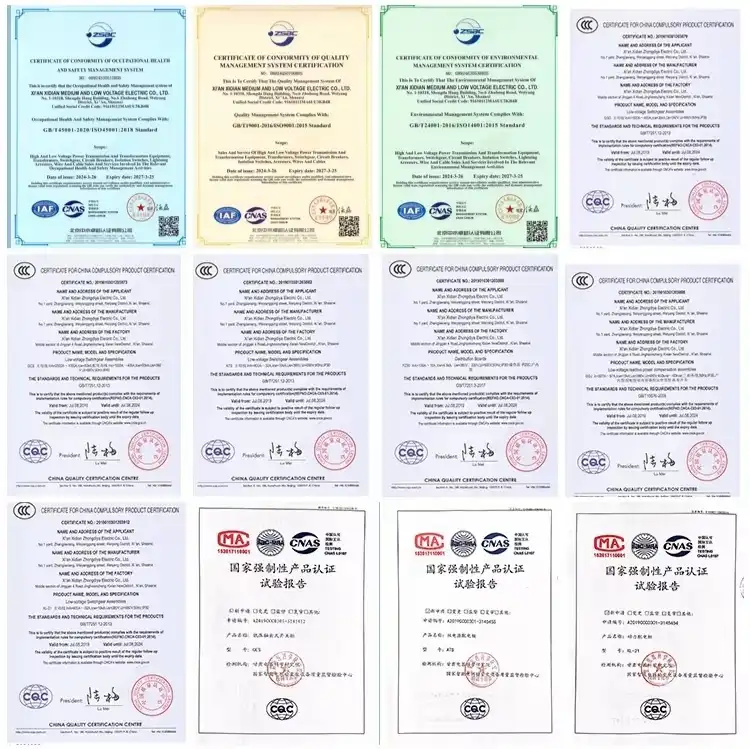
To get the right indoor disconnect switch, you should get clear instructions from a good company. Type-test reports, conformity statements, datasheets, dimensional drawings, and wiring diagrams are some of the things you should ask for. Then talk about how the plant checks quality: the controls when the goods arrive, the tests of how well they work mechanically and electrically, the final review, and the ability to keep track of each batch. You should also look at the MOQ, the wait time, the samples, the guaranty, and the packing for export. There are 34 series and seven product categories that Xi'an Xikai makes for medium and low voltage equipment. This includes switchgear, dry-type transformers, vacuum circuit breakers, and substations that have already been built. So, one group can be in charge of putting together the whole cabinet package. Our tools that we use on plateaus can also be used up to 4,000 meters above ground.
Final Checklist Before Ordering
Before you agree to make an indoor disconnect switch, write down these things to make sure they are true. First, the number of poles, the power of the system, and the biggest current that can flow. Next is the direction of the handle against the cabinet picture. This shows how the door swings and how the user can reach it. Third, there is the earthing button, the locking system, and the pads that can be used. Fourth, there is the record of the dielectric test, the record of the mechanical endurance test, and the record of the contact resistance test. Fifth, the terminals' length and width, as well as how they will be mounted (for example, through-wall installation). Last, look at the standards your project needs, as well as the terms for wait time, warranty, shipping, and packing. A full plan cuts down on the time needed to go over things and makes sure that everything gets done on time.

Conclusion
The electrical rates don't change when the handle is turned in a different direction. How a user can reach, read, and lock an indoor disconnect switch does change. Plans that are short or that go from side to side work well with horizontal devices. When there is empty room above and below the handle and the mechanism moves up and down, it works well. This is the best choice if you know what the voltage, current, earthing switch, and interlock needs are for the job. You can tell how well a switch will work in real life by keeping track of its contact resistance, working force, and life span. NFPA 70, NFPA 70E, IEEE C37.30.1, and IEC 62271-102 are some of the rules that were used for the safety review. One item that shows how these things work is the 12 kV GN24, which can handle 400 A to 1250 A, has a built-in earthing switch, and can be mounted through the wall.
FAQ
1. Is a horizontal or vertical indoor disconnect switch safer?
Going in only one way doesn't make either of them safer. Safety relies on how the position is shown, how much space there is between the handles, the rules for interlocks and lockouts, and how well the job is done.
2. Can I replace a vertical model with a horizontal one?
If the mounting, ratings, dimensions, terminals, and interlocks still match, then you can do it. Please send the cabinet drawing to the provider so that they can look it over.
3. Can the GN24 open under load?
Not at all. The GN24 changes and splits bus lines when they are not in use. Turn off the electricity before you use the indoor disconnect switch.
4. Does a disconnect switch protect against overload?
A normal indoor disconnect switch doesn't do that. That safety comes from circuit breakers or fuses further up the line.
5. Which documents should I request?
To get the exact model, you should ask for datasheets, electrical wiring diagrams, type-test results, and records of the mechanical and touch resistance.
Find the Right Indoor Disconnect Switch Manufacturer for Your Project
Xi'an Xikai can look at your cabinet plans and give you advice on how to set up your next job on GN24. Our company makes indoor disconnect switches. We have 12 kV units with ratings from 400 A to 1250 A, an earthing switch built in, and the ability to mount through the wall. Our plateau-type gear can also meet your needs up to 4,000 meters. Visit xaxd-electric.com to learn more, or send an email to serina@xaxd-electric.com, amber@xaxd-electric.com, or luna@xaxd-electric.com with your needs.
References
1. IEC 62271-102, High-voltage switchgear and controlgear – Part 102: Alternating current disconnectors and earthing switches, 2018
2. IEC 62271-1, High-voltage switchgear and controlgear – Part 1: Common specifications for alternating current switchgear and controlgear, 2017
3. IEEE C37.30.1, IEEE Standard Requirements for AC High-Voltage Air Switches Rated Above 1000 V, 2011
4. IEEE C37.20.2, IEEE Standard for Metal-Clad Switchgear, 2015
5. NFPA 70, National Electrical Code, 2023
6. NFPA 70E, Standard for Electrical Safety in the Workplace, 2024