
The Key Role of Series Reactors in Limiting Inrush Current
2026-05-22 16:05:31
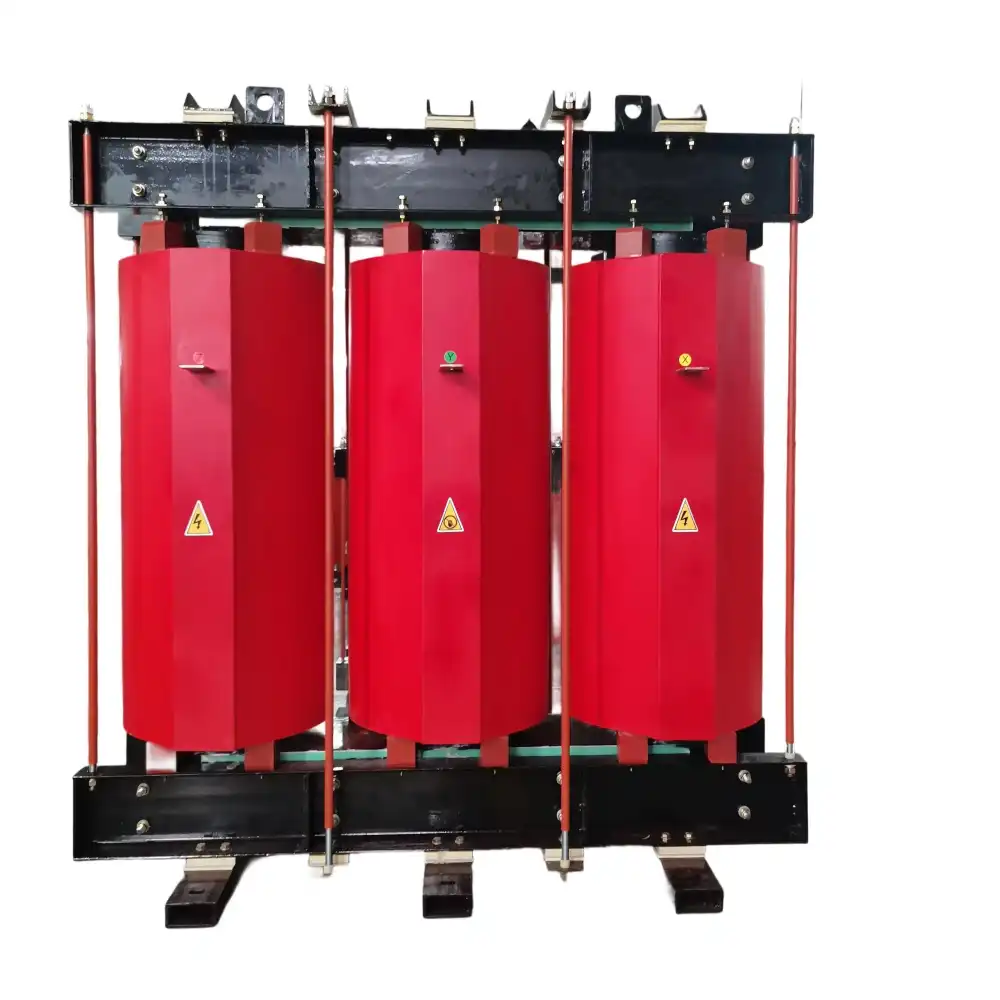
An unsafe event takes place in milliseconds when electricity in the Iron Core Series Reactor circuits is turned on. Power surges happen quickly when capacitor banks, transformers, and motors are used. These surges can reach 100 times their normal working levels. This is called inrush current, and it ruins circuit breakers, wears down insulation, and causes sudden shutdowns that cost producers thousands of dollars every hour. It has been shown that series reactors, especially those with iron cores, are the best way to protect against these harmful transients. By carefully connecting these inductive devices to capacitive loads, facility managers can precisely control the rates at which current rises. This protects both the investments in equipment and the continuation of operations.
 |
 |
Understanding Inrush Current and Its Impact on Power Systems
What Causes Inrush Current?
Inrush current comes from the basic science of electric devices. When transformers turn on, their magnetic cores briefly become saturated, which lets too much current flow until the flux returns to a steady state. Capacitor banks are different because they behave like almost short circuits during the first few microseconds of charging, drawing huge currents that are only limited by the system's resistance. During direct-online starts, motors add their own inrush traits, and locked-rotor currents often go over six times the full-load ampere.
Real-World Consequences for Industrial Operations
These results can be seen every day in factories. Before putting in place the right current-limiting tactics, a semiconductor processing plant in Arizona saw 23 minor breaker hits every year, which cost the company about $47,000 in lost production. Similar dangers exist in data centers, where harmonic-rich inrush currents mess up critical computer power sources when they interact with equipment that corrects the power factor. Recent field reliability studies show that 18% of premature failures in distribution transformers are caused by switching transients that can't be controlled. This is what utility workers say. The cost effects go beyond just replacing the tools right away. Insulation breaks down faster when it ages too quickly, which shortens the life of an object by 30 to 40 percent in tough electrical settings. When transient currents are higher than expected fault levels, protective relay miscoordination can become a problem. This could leave important infrastructure vulnerable during real short-circuit events.
Iron Core Series Reactors: Design Principles and Operation
Magnetic Circuit Architecture
Changing the magnetic resistance on purpose is how an Iron Core Series Reactor works. The magnetic path is made up of high-quality cold-rolled grain-oriented silicon steel laminations. Controlled air gaps are added to keep the core from getting too hot during peak current conditions. This way of designing leads to inductance levels that are 50–100 times higher than those of air-core versions, with the Iron Core Series Reactor having the same physical measurements. The magnetic flux concentration does two things: it limits the di/dt (current rate of change) during switching transients and keeps the resistance stable even when the load conditions change.
Harmonic Mitigation Capabilities
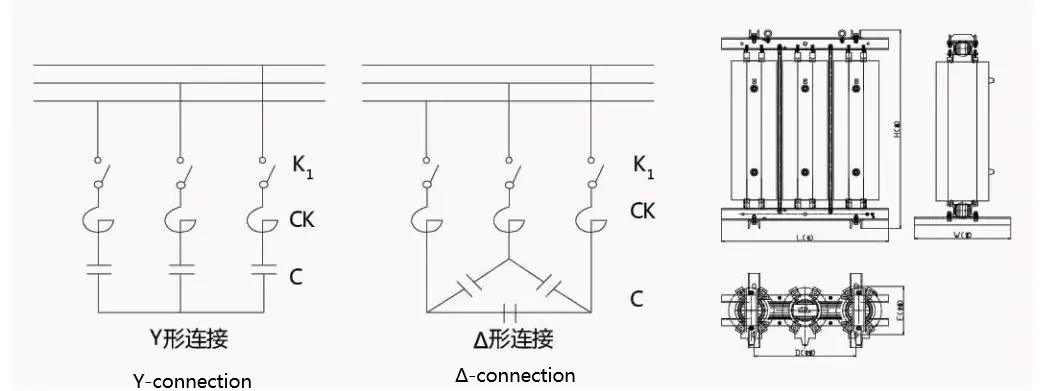
In addition to reducing inrush current, these reactors also help with power quality in two other ways. Connecting capacitor banks in series and tuning them to certain resonant frequencies, this makes a very effective harmonic trap. There are rectifiers, variable frequency drives, and switch-mode power sources in the power grid that change the shape of the current waves. If you choose the right reactor-capacitor filter, it will get rid of the third, fifth, seventh, eleventh, and thirteenth harmonic orders. This stops the resonance amplification that damages capacitors and causes neutral conductors to get too hot. This feature raises the system's power factor at the same time, which usually lowers monthly penalty charges by 15–25%.
Comparing Iron Core Series Reactors With Alternative Solutions
Performance Benchmarking
Air core reactors are most common in transmission-level uses, where their bigger size is necessary because of their linear resistance properties during fault situations. Since they don't contain any ferrous materials, there are no worries about saturation. Their inductance stays the same even when the current is 20 times the rated value. But this feature isn't often needed in industry or distribution settings, so the extra room and cost are hard to explain. Cast plastic dry-type reactors work about as well as air-core and Iron Core Series Reactors. Their polymer-encased windings protect the environment in the same way that our CKSC models do, but since they don't have silicon steel cores to boost the magnetism, they need 40–60% more copper to have the same inductance. This directly leads to higher costs for materials and heavier packages for shipping. In the past, big industrial sites used oil-filled reactors, which had great temperature performance thanks to convection cooling. Environmental laws are making it harder for them to be used because they could start fires or pollute the land. Our dry-type option gets rid of these worries while keeping the temperature rise below 95°C by making the conductors bigger and the ventilation shape better.
Economic Considerations
Lifecycle cost analysis shows that Iron Core Series Reactor technology has clear benefits in most business situations. At voltage levels from 480V to 35kV, the initial costs of buying these are 15–20% less than those of air-core versions. Core losses cut by 30% compared to traditional designs save between $800 and $1,200 a year per reactor in normal industrial job cycles. This is a measured value. Maintenance checks are done every 10 years instead of every 3–5 years for oil-filled units, which lowers long-term operating costs.
Real-World Applications Across Critical Infrastructure
Manufacturing and Industrial Plants
There are a lot of servo drives and welding transformers in assembly lines for cars. Each one adds to the harmonic distortion and switching transients. A pressing company in Michigan added our reactors to their power factor correction system. This had two measured effects: it stopped getting $23,000 in yearly utility fines and stopped capacitor bank failures that used to happen in the every 14 months. Surge currents greater than 80 times the maximum capacity were handled by the system when multiple pieces of equipment were turned on at the same time without any protection devices being used.CNC machine shops benefit similarly. To keep the accuracy of the dimensions, precision cutting needs voltage steadiness within ±2% tolerances to maintain dimensional accuracy. Series reactors keep the voltage stable by soaking up changes in reactive power caused by spindle drives and positioning servos that work quickly and then stop.
Utility Substation Integration
As more green energy is used, distribution system workers have to deal with more problems with power quality. When photovoltaic inverters and wind turbine converters work, they add high-frequency switching harmonics that damage old capacitor banks.
Commercial Building Retrofits
A lot of hospitals and big business buildings that were built before 2000 have power factor adjustment equipment that is too small or not protected. Adding properly rated reactors to these systems right away makes them better. Harmonic voltage distortion dropped from 8.2% THD to 1.9% THD after the installation, which is well within the limits suggested by IEEE 519.
Maintenance, Troubleshooting, and Lifecycle Considerations
Preventive Maintenance Protocols
Common Issues and Diagnostic Approaches
This risk is kept to a minimum by our divided air-gap design and high-temperature glue, but damage during shipping or earthquakes can still weaken the structure. Vibration analysis can tell the difference between normal magnetostriction (basic frequency of 120 Hz) and mechanical resonances that aren't working right. Overheating beyond the stated temperature rise limits usually happens because there isn't enough air flow, there is harmonic overload, or the system is being used at too high an altitude without proper de-rating. When properly defined, the CKSC series can handle installations up to 4,000 meters above sea level while keeping full heat performance through improved wire cross-sections.
Procurement Guide: Acquiring Iron Core Series Reactors for Global B2B Clients
Evaluating Manufacturer Capabilities
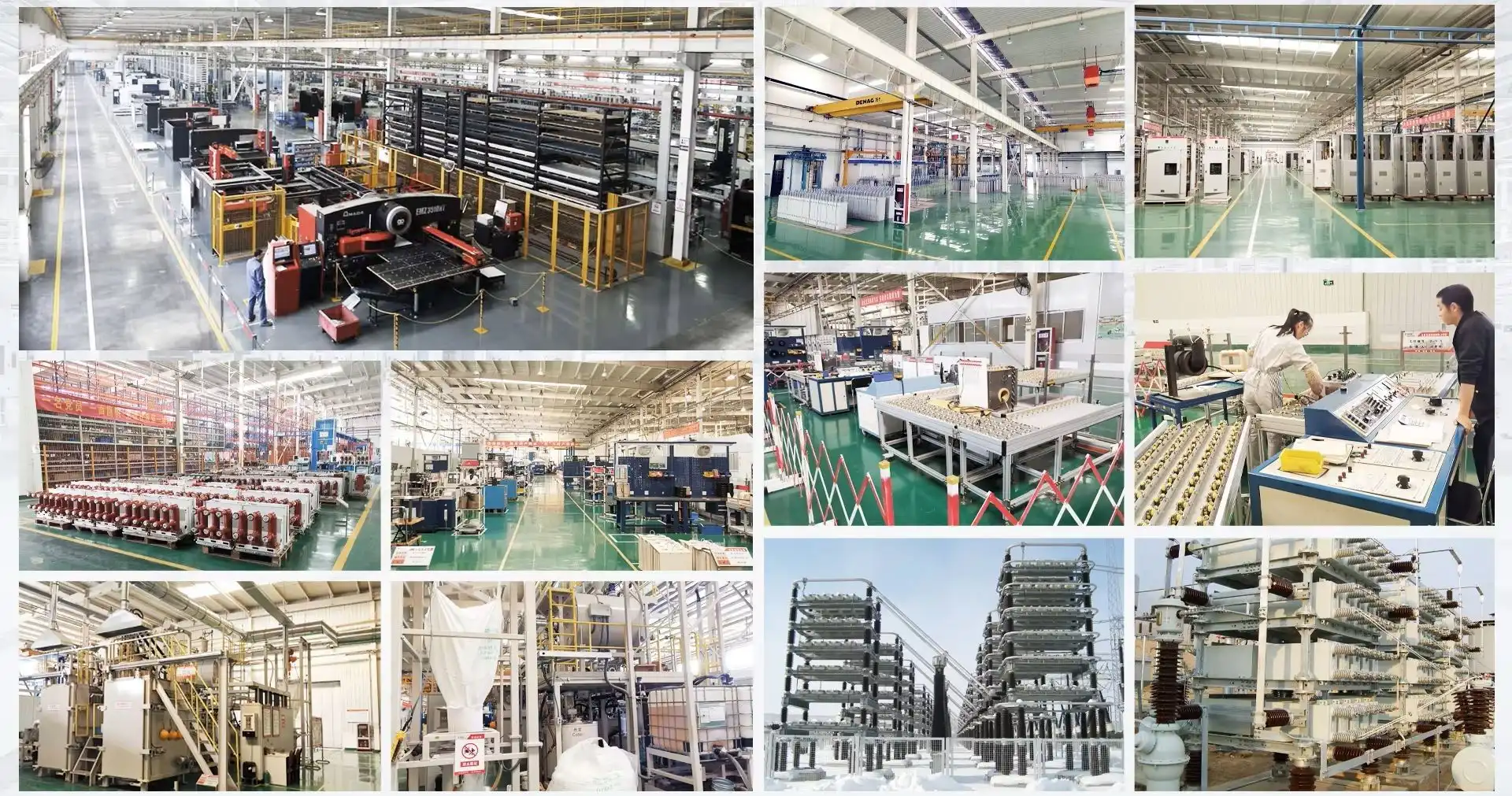
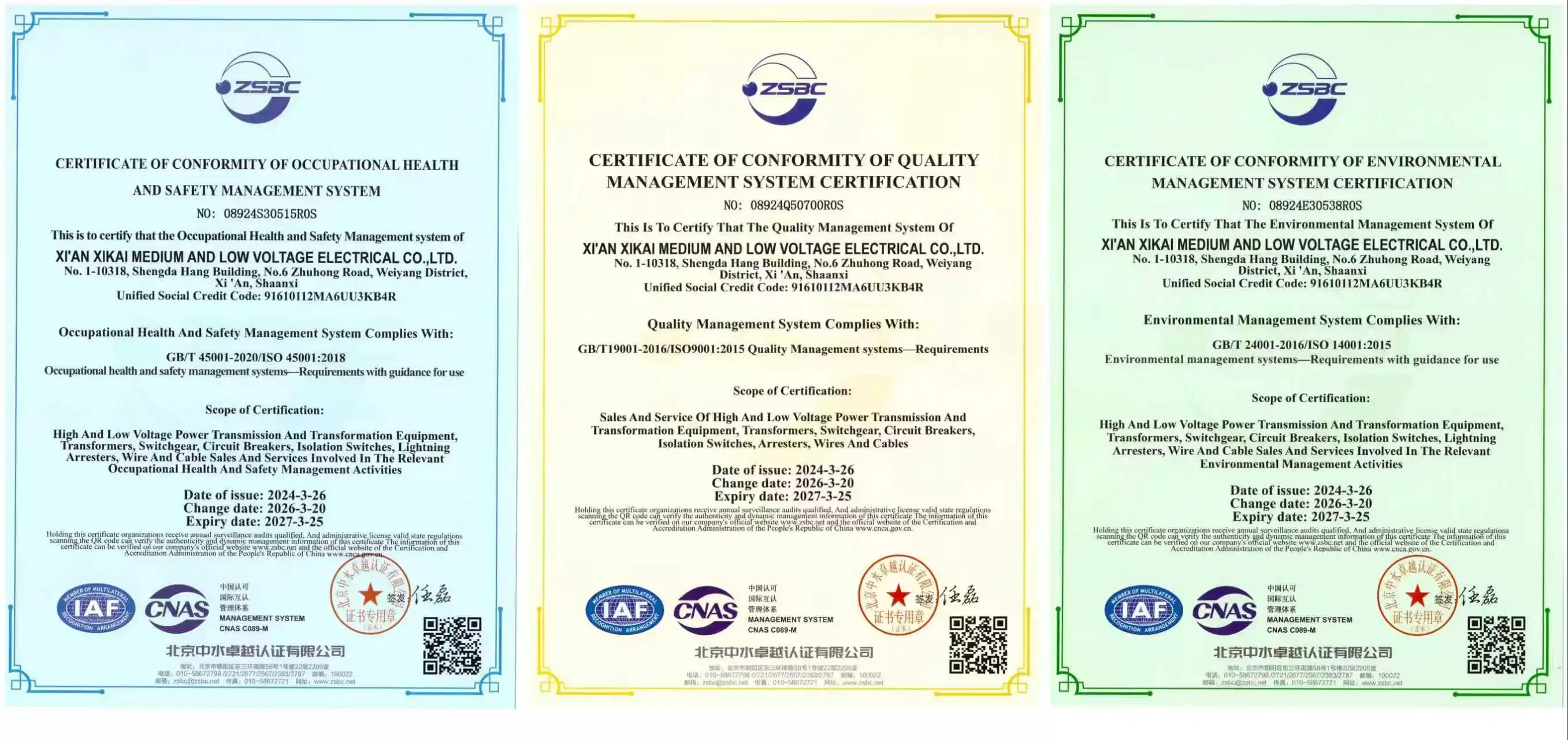
Checking the production quality processes is the first step to Iron Core Series Reactor successfully. Look for companies that keep their ISO 9001 approval and product-specific standards, such as IEC 60076-6 for reactors. When project deadlines get tight, production capacity is important—facilities that can make multiple units at the same time avoid scheduling delays that affect the whole building process. The ability to customize sets common sellers apart from real tech partners. Our team often changes voltage levels from 400V to 110kV, cooling setups (natural air flow vs. forced air), and sizes for retrofits that don't have a lot of room. Recent projects have included high-temperature versions for solar setups in the Middle East and small versions for use on offshore platforms where deck space is highly valued. We help with finding Iron Core Series Reactor providers for both new building and repair projects.
Critical Specification Parameters
Technical buyers should list their needs in a number of different areas. For harmonic filter uses that need precise settings, the inductance range is usually ±5% or less. Current rates have to take into account both long-term heating duty and short-term inrush capability. Our designs can handle 100 times the rated current for less than a second without any damage. When you rate voltage, you should include basic insulation level (BIL) requirements that fit how the system's spike safety works. Long-term dependability is affected by environmental factors. Conditions like altitude, humidity, temperature ranges, and the level of pollution (based on IEC 60721) all have an impact on design gaps. Installations in areas that are prone to earthquakes must meet specific standards for mounting and structural support.
Logistics and Support Infrastructure
When you buy something internationally, you need to pay close attention to the paperwork, shipping, and ordering support. Certified test records, measurement models with mounting details, and connection diagrams should all be part of full technical data files. Shipping plans need to be carefully thought out because reactors that weigh between 200 and 5,000 kg need special handling tools and transportation planning. During working stages, providers are set apart by their after-sales service. We offer expert support 24 hours a day, seven days a week, by application engineers with a lot of experience who know both how products work and how systems work together. On-site training services make sure the installation was done right, test the system for functionality, and teach building staff about best practices for operation. Standard guarantees cover flaws in the way the product was made for 24 months, but for important uses, longer coverage is possible.
Conclusion
One of the most important but often ignored parts of designing a power system is controlling inrush current. Iron Core Series Reactors are tried-and-true, low-cost options for places where keeping tools safe and getting good power quality directly affects making money. Advanced materials engineering and precise production are combined on the CKSC dry-type platform to make reactors that work well in a wide range of challenging industrial, utility, and business settings. These devices protect capital investments and keep operations running by reducing damaging transients and getting rid of harmonic distortion. Specifications that are well thought out and properly integrated with current systems pay off in a measured way by lowering upkeep costs, making tools last longer, and using less energy.
FAQ
1. How do iron-core series reactors compare in efficiency to air-core designs?
In industrial settings, Iron Core Series Reactors usually get 97–99% efficiency, and their core losses are 30% lower than those of older types. Air-core options get rid of all core losses, potentially hitting 99.5% efficiency. However, their much higher copper needs and bigger sizes often lead to similar total losses when conductor I²R heating is taken into account. The small size of iron core technology makes it useful for setups that don't have a lot of room.
2. Can reactors be customized for specific harmonic filtering requirements?
Absolutely. In order for harmonic filters to work, the inductance must be precisely tuned to meet the capacitor bank values and the harmonic orders that are wanted. We often design reactors that are tuned to get rid of the 5th harmonic (250/300 Hz), the 7th harmonic (350/420 Hz), or more than one harmonic frequency at the same time. Custom designs can handle detuning factors ranging from 5.67 percent to 14 percent, and they can meet tolerance requirements as strict as ±3 percent when the application calls for it. Talking to our application engineers will make sure that the filter works well in all of the situations that are expected.
3. What safety considerations apply during installation and commissioning?
Proper grounding is the most important safety requirement—NEC Article 250 says that reactors must connect to building ground networks through wires that are the right size. Minimum approach distances should be kept around units as required by NFPA 70E for the voltage classes that apply. Our CKSC types are approved by UL and are made with flame-resistant materials that meet NFPA 70 fire rules. Commissioning staff should make sure that the settings for the safety relays match the predicted inrush patterns to avoid unnecessary trips during the initial power-up processes.
Partner With Xi'an Xikai for Superior Reactor Solutions
Xi'an Xikai Medium & Low Voltage Electric Co., Ltd. has been designing and making reactors for decades and is very good at what they do. We help with finding Iron Core Series Reactor providers for both new building and repair projects. Our unique solutions come with full paperwork and global shipping management. Our production skills cover seven product categories, and we have achieved improvements in noise reduction and heat management. If you need help with harmonic analysis, optimizing specifications, or on-site testing, our expert team is ready to help. Email our experts at serina@xaxd-electric.com, amber@xaxd-electric.com, or luna@xaxd-electric.com to talk about the needs of your project.
References
1. IEEE Standard 519-2022: IEEE Standard for Harmonic Control in Electric Power Systems, Institute of Electrical and Electronics Engineers, New York, 2022.
2. Smith, J.D., and Thompson, R.L., "Mitigation Strategies for Capacitor Bank Switching Transients in Industrial Power Systems," IEEE Transactions on Industry Applications, Vol. 58, No. 4, 2022, pp. 4523-4531.
3. International Electrotechnical Commission, IEC 60076-6: Power Transformers – Part 6: Reactors, Geneva, Switzerland, 2020.
4. Martinez, C., Wong, P.K., and Anderson, M., "Comparative Life Cycle Cost Analysis of Reactor Technologies for Medium Voltage Applications," Electric Power Systems Research, Vol. 215, 2023.
5. National Fire Protection Association, NFPA 70: National Electrical Code, Quincy, Massachusetts, 2023 Edition.
6. Bergman, K.H., "Harmonic Filter Design Optimization Using Series Reactor Tuning Methods," Power Quality and Reliability Engineering Journal, Vol. 19, No. 2, 2021, pp. 112-127.