
How to Choose a 10kV High Volatge Reactive Power Compensation Device
2026-11-06 17:31:54
To choose a 10kV high volatge reactive power compensation device, start with measured load data, then match capacity, control method, and harmonic protection to your network. Size the capacitor stages from active power and the gap between present and target power factor. Test for harmonics before you pick a reactor. Choose automatic staged compensation for stable or slowly changing loads, and consider an SVG or a hybrid design when load swings quickly. Finally, compare suppliers on test reports, protection scope, and service support, not on price alone. I wrote this guide to help utility and industrial buyers decide with confidence.
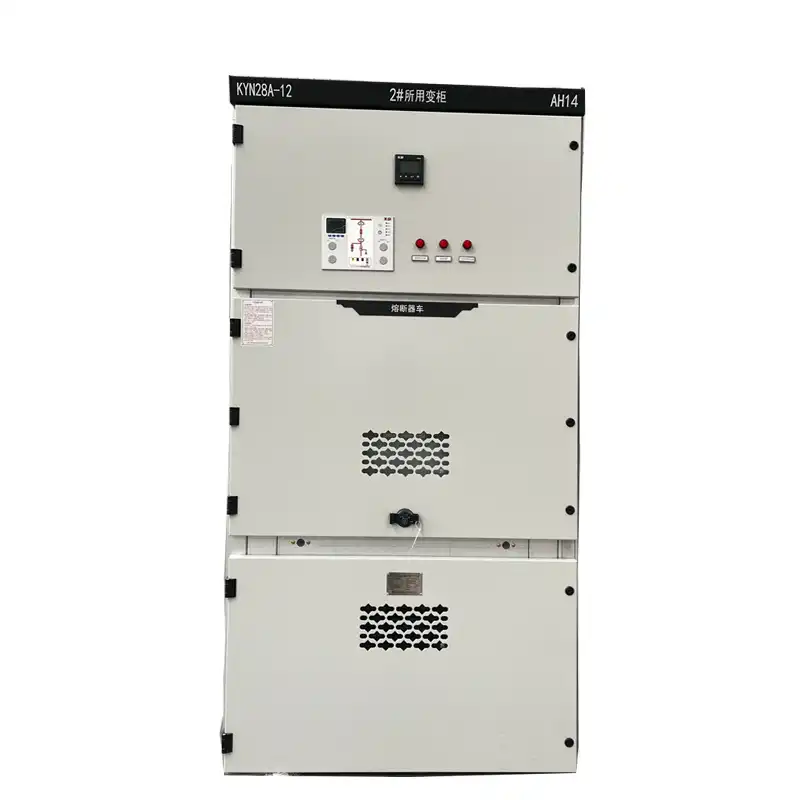
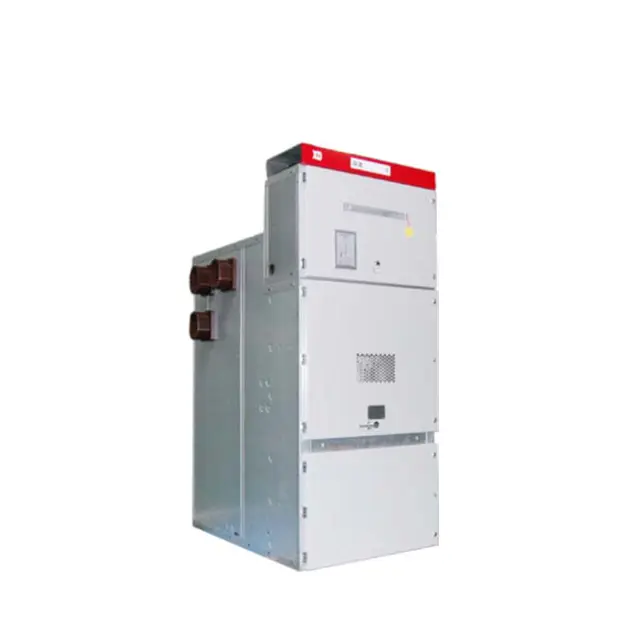
Why Choosing the Right 10kV High Volatge Reactive Power Compensation Device Matters
Reactive Power Affects Every Part of Your Network
In order to make magnetic fields, motors, transformers, and furnaces use reactive power. Even though that power doesn't do anything useful, it makes the power look like it does, so the lines and transformers carry more current than the load needs. More voltage drop, higher I²R losses, and less spare transformer capacity are all caused by more current. The upstream network stops carrying this reactive power when a 10kV High-Voltage Reactive Power Compensation Device brings it close to the load. This brings the power factor closer to one and makes the feeds less loaded. A lot of utilities also have a limit on the power factor and charge fees if it's below that limit. This means that poor compensation shows up right on the bill.
Where These Devices Are Used
I see the same pattern in a lot of places: factories with big motors, mines with long cable runs, substations on 10kV feeders, wind energy collection points, and big business buildings like malls and hospitals. The TBB10 High Voltage Reactive Power Automatic Compensation Device works with systems from 6kV to 10kV and 100kV to 10,000kVar. It can handle both a single motor bus and a full distribution bus. Equipment from Xi'an Xikai is used a lot in the steel and metallurgy industry, petrochemicals, rail transportation, and renewable energy. Because the loads are different for each setting, each one needs its own selection logic.
Define Measurable Goals First
Before you look at different products, make a list of what success means to you. A power factor of 0.95 or higher, steady busbar voltage, lower harmonic risk, and extra capacity for future load are some of the most common goals. The TBB10 keeps a power factor of at least 0.95 by itself by keeping an eye on reactive power imbalances. With numbers like these, you can compare each quote to the same goal. Also, they help your operations and purchasing teams work together toward the same goal, which speeds up the decision-making process for many-unit batch tenders. Put these objectives at the top of the specs for a 10kV High-Voltage Reactive Power Compensation Device.
How a 10kV High Volatge Reactive Power Compensation Device Works
Capacitors Supply Leading Reactive Power
Inductive loads use reactive power that is late. Leading reactive power comes from capacitors, and at the connection point, they cancel each other out. There are switching devices, discharge devices, fuses, arresters, reactors, a controller, and measurement transformers in a 10kv high volatge reactive power compensation device system. Each part does its own job to protect. After being turned off, discharge devices lower the voltage that is still present. Fuses separate a battery unit that has failed. Overvoltage is limited by arresters. Ask for this complete list in the quote when you look at a 10kV High-Voltage Reactive Power Compensation Device to make sure no safety part is missing.
Fixed Versus Automatic Staged Compensation
One capacitor value stays connected all the time because of fixed compensation. A steady load works well with it, but a light load can cause the power factor to lead and the voltage to rise. The capacity is split into parts automatically. After reading the voltage, current, and power factor, the controller either connects or disconnects stages based on changes in demand. The TBB10 is an automatic machine that changes reactive power based on how much the grid needs it right now. Because the steps are separate, the accuracy depends on the size of the stage. Smaller stages can better match a changing load.
What the TBB10 Controller Does
Sensors on the TBB10 keep an eye on the voltage and current all the time. An intelligent processor determines the required compensation level and then switches the capacitor stages accordingly. Self-diagnostic alerts and remote monitoring through IoT integration are also available. This is helpful at substations and outdoor sites that crews can't go to every day. With modular construction, you can add more space without having to shut down the system. These are the important scores:
| Parameter | TBB10 |
|---|---|
| Rated voltage | 6–10kV |
| Frequency | 50Hz |
| Capacity | 100–10,000kVar |
| Ambient temperature | -25℃ to +45℃ |
| Reactor options | 0.1–1%, 6%, 12% |
You can check this temperature range against your site and ask for the enclosure protection rating and test record if you are worried about how reliable an outdoor controller will be.
Set Technical Requirements and Compare Technologies
Size the Capacity from Measured Data
To find the needed kvar, multiply the active power in kW by the difference between tan φ before and after adjustments. It takes about 421 kvar (0.750 minus 0.329 times 1,000) to bring a 1,000 kW load's power factor up to 0.95 from 0.80. Please only use this as a rough guess. Find the maximum, average, and minimum loads, as well as the short-circuit level and when the motor starts up. The lowest load is most important, since a bank that is too big for peak use can overcompensate at night. Never solely depend on the transformer grade when sizing a 10kV High-Voltage Reactive Power Compensation Device.
Check Harmonics and Resonance Early
A parallel resonance can be made by capacitors and network inductance. The approximate resonant harmonic order can be calculated as the square root of the short-circuit capacity in MVA divided by the capacitor-bank capacity in Mvar: hᵣ ≈ √(Ssc/Qc). Six-pulse drives make about the seventh harmonic when they have 100 MVA of short-circuit capacity and a 2 Mvar bank. Harmonics like these are made by variable-frequency drives, rectifiers, and UPS systems, and IEEE Std 519 limits how much they can be. With series reactors, the resonance is moved away from these frequencies. The TBB10 has a reactance range of 0.1 to 1% for inrush suppression, 6% for 5th and higher harmonics, and 12% for 3rd and higher harmonics. Once the harmonic measurements are complete, select the reactor percentage according to the measured harmonic spectrum, system impedance, and required detuning point.
Capacitor Banks, SVG, SVC, and Hybrids
Automatic capacitor banks, like the TBB10, are less expensive and work well with stable inductive loads like motors and transformers. Their answer is broken up into steps. Power circuits allow SVG units to respond in milliseconds without any steps, and they can either take in or give out reactive power. For arc furnaces and loads that swing quickly, that works, but SVGs cost more and make the system more complicated. The reaction time of SVC systems is in the middle of the two. An SVG is used for quick trimming, and a capacitor bank is used for base compensation. Check how fast the load moves if load swings make your compensation less accurate. Changes that happen slowly work best with staged capacitors, but flickering quickly needs an SVG or a combination for a 10kv high volatge reactive power compensation device.
Match the 10kV High Volatge Reactive Power Compensation Device to Your Application and Supplier
Selection Logic by Load Type
Make sure the technology fits the type of work. Auto-staged banks work well with motor and generator loads that don't change much. Staged banks with more and less stages work well with variable production lines that change slowly. Processes that change quickly point to an SVG or a hybrid. Installations with a lot of harmonics need detuning reactors. When used in factories, the TBB10 helps get rid of power factor charges on CNC machines and production lines. In substations, it protects voltage from harmonics and power that comes in and out at irregular times from renewable inverters. It can fix old systems in hospitals or malls that are in commercial buildings. Before choosing a 10kV High-Voltage Reactive Power Compensation Device, use this reasoning.
Count the Total Cost of Ownership
A low price at buying can hide a high cost over time. Add the cost of installation, commissioning, maintenance, spare parts, the chance of downtime, and future growth to the price of the equipment. Then, take away the cost of energy savings and avoided power-factor penalties. The working temperature and harmonic level have a big effect on the life of a capacitor, so ask providers how they handle both. Check how long the switching devices can keep working, and make sure that the remote monitoring that cuts down on site visits is working. With modular designs like the TBB10, you can add stages as the load increases instead of having to buy a whole new unit.
Evaluate Manufacturers by Evidence
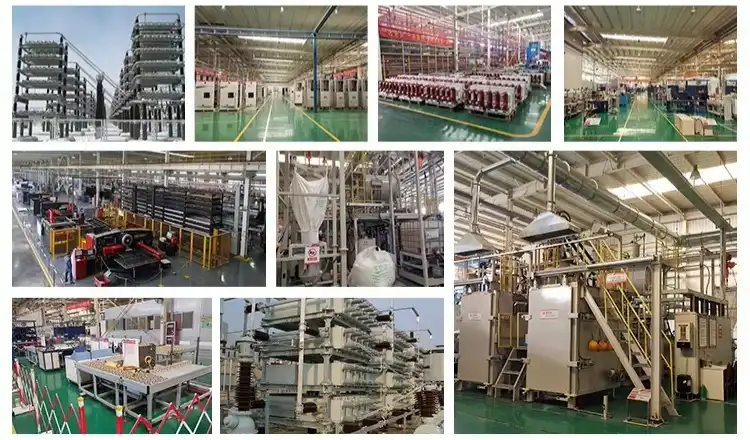
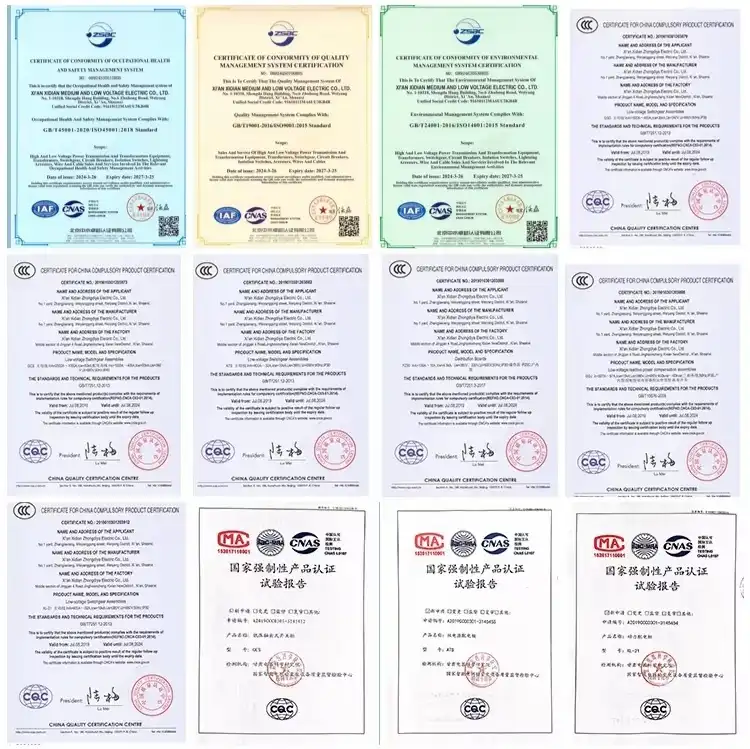
Request datasheets, single-line diagrams, protection schematics, harmonic studies, type test reports, certifications, manuals, and project references from each manufacturer. Check out the insulation, functional, switching, and acceptance tests that were done in the factory. The TBB10 is made by Xi'an Xikai in a factory that is ISO 9001-certified, and its compliance with IEC 60871 and IEEE 18 is checked. We have seven types of products, 34 series, and more than 100 variants. Our plateau-type equipment can work at elevations of up to 4,000 meters. Distributors and OEM clients should also ask about the size of the cabinet, the communication protocol, the local documentation, and how to make sure that orders are always the same. There are documents to back up the reliability of a 10kV High-Voltage Reactive Power Compensation Device.
Avoid Common Mistakes and Follow a Clear Buying Process
Common Mistakes to Avoid
Most poor success is caused by four mistakes. The size of the bank is based only on the transformer's ability. They put in capacitors without first doing a harmonic study. They don't care about minimum load and make the bank too big. They don't think about how to coordinate safety, the inrush current, the overvoltage, choosing the breaker, or the discharge time. Instead of just looking at the prices, compare the full technical scopes of each quote and make sure that each one includes reactors, arresters, control panels, and tests. Plan ahead for future motors, drives, and renewable-energy additions so that the compensation system can be expanded without requiring a complete redesign. Before ordering a 10kV High-Voltage Reactive Power Compensation Device, you can avoid each of these errors by gathering information.
Procurement Checklist
With a full request, all providers can give prices on the same terms. Get ready the voltage and frequency of the system, the transformer data, the short-circuit level, the single-line diagram, the load profile, the power-factor records, the harmonic measurements, the installation conditions, the standards that apply, the communication interfaces, and the schedule. As the TBB10 is rated at 50Hz, buyers with 60Hz networks should check with our engineers to make sure of the frequency before placing an order. Ask each supplier about the configuration of the stages, the level of insulation, testing, commissioning, warranty, spare parts, and delivery times. For bids on 5 to 50 units at once, ask for the same configurations and documentation for each unit.
A Five-Step Decision Path
Do this in this order. First, figure out what the real issue is. It could be a low power factor, voltage fluctuations, harmonics, cable overload, or grid compliance. Second, measure the power factor, harmonics, voltage, current, kW, kvar, and voltage. After that, use the load profile to pick either fixed, staged automatic, fast-response, or hybrid compensation. Fourth, check the coordination of security, the cost over the lifetime, compliance, transportation capability, and factory testing. Fifth, at site acceptance, check the power factor, voltage quality, warning, contact, and how well the system works. Keep these records because they will be used as a starting point for any future discussions about warranties. This path works for almost all 10kV compensation projects.
Conclusion
Measured data, not catalog ratings, are the first step in selecting a 10kv high volatge reactive power compensation device. Clear goals, like a 0.95 power factor, should guide every step after the first one because reactive power increases current, losses, and transformer loading. Active power and the power factor gap tell us how much capacity there is. Harmonic tests tell us if we need inrush or detuning reactors. For stable inductive loads, automatic staged banks like the TBB10 work well. For fast-swinging loads, on the other hand, an SVG or a hybrid may be needed. The total cost of ownership, test results, and proof from the supplier are more important than the price that was given. By avoiding common sizing mistakes and following a structured decision path, you can make sure that your equipment keeps its target power factor when it's actually being used.
FAQ
1. What is a 10kV High-Voltage Reactive Power Compensation Device?
Medium-voltage equipment provides leading reactive power to balance out the delayed demand of motors and transformers. This raises the power factor and frees up network capacity.
2. What's the difference between an SVG and a capacitor bank?
Because it moves in steps and costs less, a capacitor bank switches fixed stages. An SVG can respond in milliseconds without any steps and can either give or take in reaction power.
3. In what way do I pick the reactor percentage?
First, measure the harmonics. The TBB10 has a reactance range of 0.1 to 1% for inrush suppression, 6% for 5th and higher harmonics, and 12% for 3rd and higher harmonics. An unmatched reactor can lead to resonance.
4. What information does a supplier need for a quotation?
Please send the voltage, frequency, transformer data, short-circuit level, single-line diagram, load profile, power-factor records, harmonic measurements, and any standards that apply to the system.
Request a 10kV High Volatge Reactive Power Compensation Device Quote from Xi'an Xikai
For utilities, industrial plants, and EPC teams, Xi'an Xikai is a supplier of the TBB10 10kV High-Voltage Reactive Power Compensation Device, a 10kv high volatge reactive power compensation device. Send your load profile, single-line diagram, and target power factor to serina@xaxd-electric.com, amber@xaxd-electric.com, or luna@xaxd-electric.com, and our engineers will help you choose a configuration. Our tools for plateaus can work at heights of up to 4,000 meters. To find out more, go to xaxd-electric.com.
References
1. IEEE Std 18, IEEE Standard for Shunt Power Capacitors, 2012
2. IEC 60871-1, Shunt Capacitors for A.C. Power Systems Having a Rated Voltage Above 1000 V, 2014
3. IEEE Std 519, IEEE Standard for Harmonic Control in Electric Power Systems, 2022
4. IEEE Std 1036, IEEE Guide for the Application of Shunt Power Capacitors, 2020
5. Electrical Power Systems Quality, McGraw-Hill, 2012
6. Reactive Power Control in Electric Systems, Wiley, 1982