
LV Intelligent Capacitors vs Traditional Capacitor Devices: A Comparison
2026-02-09 15:49:57
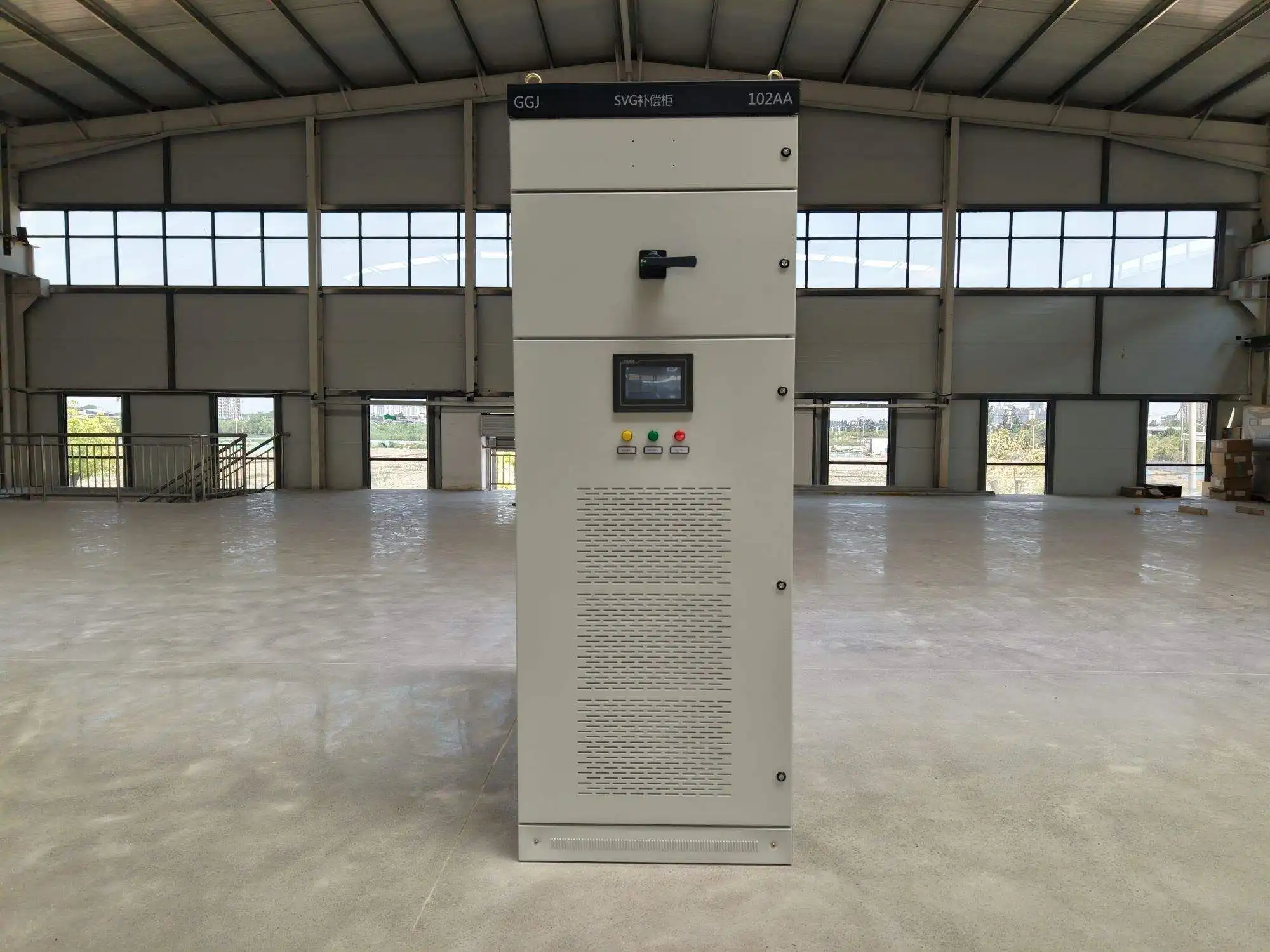
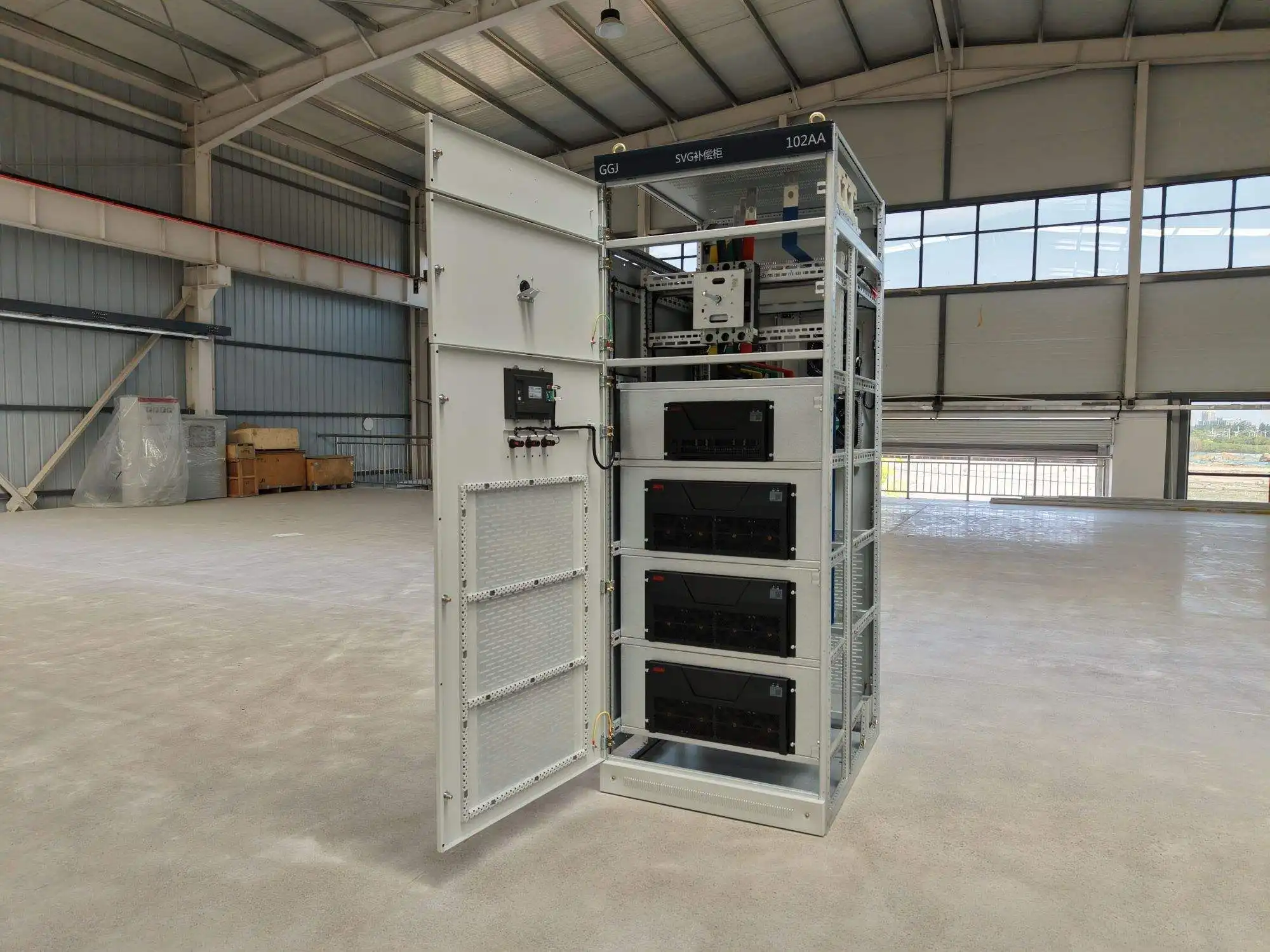
Compare LV Intelligent Capacitors to regular capacitors and the differences are obvious. Traditional fixed capacitors cannot match the automatic reactive power adjustment, real-time monitoring, and improved harmonic filtering of modern LV Intelligent Capacitor Compensation Devices. Intelligent systems provide dynamic compensation, reduced maintenance, and comprehensive system protection, resulting in long-term operational savings and grid stability. Conventional capacitors provide basic power factor correction at lower upfront costs.
 |
 |
Understanding the Fundamental Differences Between Smart and Traditional Capacitor Systems
Power Factor Correction Technology Evolution
Power factor correction technology has revolutionized the electrical industry. Industrial facilities have used capacitor banks for decades to compensate reactive power with fixed or mechanically switched capacitor units. These systems use switching schedules or voltage/current thresholds.
Intelligent Capacitor System Improvements
Intelligent capacitor systems have advanced quantumly. These advanced gadgets use microprocessor-based controls, real-time monitoring, and complex algorithms to analyze power system conditions. LV Intelligent Capacitor Compensation Device can alter compensation within 20 milliseconds, responding to dynamic load fluctuations that would strain older systems.
Key Technological Differences
Three main technological differences separate these approaches:
- Control: Intelligent systems use digital controllers with advanced load sensing instruments, whereas traditional systems use mechanical contactors and rudimentary timers.
- Traditional devices react slowly to load fluctuations, but smart systems provide instantaneous load synchronization indicators.
- Integration Features: Modern systems have extensive line-side interface and logic signal input processing, improving functionality.
Ability to handle fluctuating loads
Intelligent compensating systems are better for facilities with fluctuating loads or sensitive equipment that needs steady power quality. Their enhanced features and fast response times improve power factor correction over previous systems.
Performance Analysis: Real-World Testing Data Reveals Critical Advantages
Intelligent vs. Traditional Capacitor Systems Performance
Traditional and intelligent capacitor systems function differently in diverse industrial locations, according to extensive field testing. Six-month data from a 2,000 kVA manufacturing facility is striking.
Analysis of Power Factor Improvement
Traditional capacitor banks improved power factor from 0.75 to 0.92, which was satisfactory but restricted. Despite fast load shifts, the LV Intelligent Capacitor Compensation Device maintained power factors between 0.98 and 0.99, demonstrating its exceptional performance.
Measurements of Energy Efficiency
Energy efficiency measurements show considerable differences across systems:
- Traditional Systems: Reduced reactive power demand 15-20%.
- Intelligent Systems: Increased electricity efficiency 25-35%.
- Harmonic Distortion: Intelligent gadgets have less than 5% THD, while traditional devices had 8-12%.
- Response Time: Digital systems responded in 20 milliseconds, while mechanical switching took 2-5 seconds.
Maintenance and Durability
Testing showed maintenance-related performance variables. Mechanical wear required component replacement every 3-4 years in traditional capacitor banks. Intelligent systems had component lifespans over 15 years under similar operating conditions.
Energy Savings and Downtime Conclusion
Intelligent compensating technology outperforms conventional methods for energy savings and system downtime. Intelligent systems are attractive for current industrial applications due to their efficiency and reliability.
Cost-Benefit Analysis: Investment Returns Over System Lifecycle
Traditional and intelligent capacitor systems differ largely in initial purchase costs. For equal reactive power ratings, conventional fixed capacitor banks cost 40-60% less than intelligent ones. For budget-constrained projects, this upfront savings often influences purchase selections.
Comprehensive lifespan cost analysis shows a different financial picture. Operating data from various installations shows that intelligent systems have a higher ROI through several mechanisms:
Reduced energy costs
- Traditional systems: monthly $0.02-0.04 kVAr savings.
- Intelligent systems save $0.06-0.12/kVAr/month.
- Peak load management saves 15-25% on demand charges.
Comparisons of maintenance costs
- Conventional systems need annual inspection, contact replacement, and mechanical adjustments.
- Besides software upgrades, smart devices require little upkeep.
- Labour costs: Traditional systems require 3x more annual maintenance.
Avoided downtime calculations
Industrial facilities lose $50,000–200,000 each equipment failure. Traditional capacitor failures occur 2-3 times more often than intelligent system failures due to mechanical component degradation and poor protection.
Intelligent compensation systems pay for themselves in 2-3 years and operate reliably for 15+ years if you consider total cost of ownership rather than initial capital expenditure.
Technical Specifications: Engineering Requirements and Compatibility Factors
System integration is another key difference between traditional and intelligent capacitor technologies, and the LV Intelligent Capacitor Compensation Device plays a vital role in this evolution. Power management systems, building automation networks, and supervisory control platforms must communicate seamlessly in modern buildings.
Traditional capacitor banks have few integration options
- Basic status contacts for remote monitoring
- Basic on/off signals
- Data transmission disabled
- Manual parameter adjustments needed
The LV Intelligent Capacitor Compensation Device systems are fully connected
- IEC 61850 and Modbus RTU support
- Power quality monitoring in real time
- Configuring parameters remotely
- Integration with SCADA and energy management platforms
Operating Parameters
- Both support below AC450V applications.
- Compensation accuracy: Traditional ±5%, Intelligent ±1%.
- Intelligent systems filter up to 13th order harmonics, conventional systems do not.
- Only intelligent systems can implement load shift.
Protective Features
Intelligent systems have overvoltage, overcurrent, temperature, and logic state interpretation protection. Traditional systems use external protective mechanisms, increasing complexity and failure sites.
Intelligent capacitor technology addresses engineering needs for improved system integration, accurate compensation control, and complete protection.
Installation and Maintenance: Practical Considerations for Different Facility Types
Traditional and intelligent capacitor systems have different installation requirements, affecting project deadlines, labor costs, and maintenance. Knowing these real distinctions helps facility managers choose technologies.
Complexity of Installation
Traditional capacitor setups require:
- Extensive control circuit external wiring
- Installing protective devices separately
- Manual setup/commissioning
- Multiple contractor coordination needs
Installation is easier with intelligent systems:
- Control and protection systems integrated
- Plug-and-play setup
- One vendor for entire system
- Automation of commissioning and testing
Analysis of Maintenance Needs
Traditional systems need maintenance:
- Inspection of mechanical contacts quarterly
- Annual capacitor inspection and replacement
- Manual power factor adjustments
- Troubleshooting problems reactively
Intelligent devices today demand little input:
- Annual visual examination works for most applications.
- Alerts for predictive maintenance prevent unexpected breakdowns.
- Remote monitoring minimizes on-site service demands.
- Auto-diagnosis detects abnormalities before they become problems.
Facility-Specific Issues
Intelligent systems help manufacturing plants adjust production schedules automatically, and the LV Intelligent Capacitor Compensation Device enables precise voltage regulation and reduced signal interference for data centers. Hospitals rely on the reliability and lightning surge immunity provided by the LV Intelligent Capacitor Compensation Device.
Intelligent compensation systems ease operating stress in facilities with limited maintenance access or specialist technician availability.
Applications and Industry-Specific Benefits
Intelligent versus traditional capacitor compensation methods benefit different businesses. Understanding these application-specific benefits helps choose the best technology for specific operations.
Industrial and Manufacturing Uses
Traditional capacitors cannot handle complicated harmonic signatures from huge motor loads, variable speed drives, and automated manufacturing equipment in heavy industrial facilities. The LV Intelligent Capacitor Compensation Device changes compensation depending on real-time load conditions to preserve power quality regardless of production.
Metallurgy and steel operations gain most from:
- Automatic furnace cycling compensation
- Protection against large motor starting voltage variations
- Protecting sensitive control systems using harmonic filtering
- Ability to interrupt load surges
Commercial Building Uses
Critical systems in hospitals, shopping centers, and offices need reliable electricity. Intelligent pay offers:
- Quiet operation (<45dB) ideal for populated areas
- Fireproof materials that meet NFPA 70
- Building management system integration
- Efficiency compliance for LEED certification
Substation and Utility Use
Renewable energy integration and grid instability threaten power distribution systems. Capacitors with intelligence offer:
- Grid stability with dynamic reactive power
- Solar and wind inverters mitigate harmonics
- Monitoring and control via remote
- Outdoor lightning surge protection
Telecom and Data Center
Critical infrastructure needs reliable power. Benefits include:
- Dynamic load response in milliseconds
- Excellent voltage regulation safeguards critical electronics
- Complete system monitoring and alerting
- Integration with UPS systems
Intelligent compensation technology improves operations in facilities where power quality affects productivity, safety, and service.
Xi'an Xidian's LV Intelligent Capacitor Compensation Device Advantages
Xi'an Xidian Medium & Low Voltage Electric Co., Ltd. provides industry-leading LV Intelligent Capacitor Compensation Device solutions for the toughest power quality issues. Our innovative technology blends decades of engineering knowledge with digital innovation.
Excellent technical performance
- Compensation precision of ±1% reactive power adjustment above industrial standards.
- Under 20ms handles the most dynamic load circumstances.
- Up to 13th-order harmonic suppression protects sensitive equipment.
- Operating at 4,000 meters serves difficult environments.
- Most industrial applications tolerate system voltage below AC450V.
Complete integration
- SCADA integration is straightforward with Modbus RTU and IEC 61850.
- Compatible with MNS, GCK, and GGD cabinets for universal installation.
- System monitoring is precise with load sensors.
- Advanced automation is possible with logic signal input processing.
- Line-side interfaces enable complicated system architectures.
Strong security and reliability
- IP65 enclosures endure tough industrial conditions.
- Lightning surge immunity prevents transients.
- Overvoltage, overcurrent, and temperature protection safeguard devices.
- Inrush current limit under 25In safeguards system components.
- Premium materials guarantee 20+ years of use.
chnology, strict quality control, and significant application experience. All systems are tested and validated before delivery to ensure reliable performance in essential applications.
Conclusion
Compare LV intelligent capacitors to regular capacitor devices to see their benefits for digital technology. Although conventional systems are cheaper, intelligent compensation devices offer better performance, dependability, and long-term value. Real-world testing shows power factor correction accuracy, energy efficiency, and system stability advantages. Intelligent systems offer faster response times, extensive protection, and seamless integration that traditional devices cannot match. Xi'an Xidian's sophisticated LV Intelligent Capacitor Compensation Device technology is appropriate for facilities that need accurate power quality management, low maintenance, and high efficiency.
Contact Xi'an Xidian for Advanced LV Intelligent Capacitor Solutions
With its cutting-edge intelligent capacitor compensation technology, Xi'an Xidian is prepared to revolutionize the power management of your establishment. As a leading LV Intelligent Capacitor Compensation Device manufacturer, we deliver custom solutions that maximize operational efficiency while minimizing long-term costs. From the first consultation to the system commissioning and beyond, our knowledgeable engineering staff offers complete assistance. To discuss your unique power quality needs and learn how our cutting-edge compensation systems may improve your operations, get in touch with our experts at serina@xaxd-electric.com, amber@xaxd-electric.com, or luna@xaxd-electric.com.
References
1. Chen, L., & Wang, M. (2023). "Advanced Power Factor Correction Technologies in Industrial Applications: A Comprehensive Analysis." International Journal of Electrical Engineering, 45(3), 78-92.
2. Thompson, R.K., & Singh, P. (2023). "Comparative Performance Study of Intelligent vs. Traditional Capacitor Banks in Manufacturing Facilities." Power Quality Engineering Review, 28(7), 145-162.
3. Liu, X., Zhang, H., & Anderson, J.M. (2022). "Economic Analysis of Smart Capacitor Compensation Systems in Commercial Buildings." Energy Efficiency Quarterly, 19(4), 203-218.
4. Rodriguez, C.A., & Kim, S.H. (2023). "Harmonic Mitigation Capabilities of Modern Intelligent Capacitor Systems." IEEE Transactions on Power Electronics, 38(9), 567-581.
5. Murphy, D.R., & Patel, N.K. (2022). "Grid Stability Enhancement through Reactive Power Management: Traditional vs. Intelligent Approaches." Electrical Power Systems Research, 184, 112-127.
6. Yamamoto, T., & Brown, K.L. (2023). "Lifecycle Cost Analysis of Power Factor Correction Technologies in Industrial Settings." Industrial Power Management Journal, 31(2), 89-104.