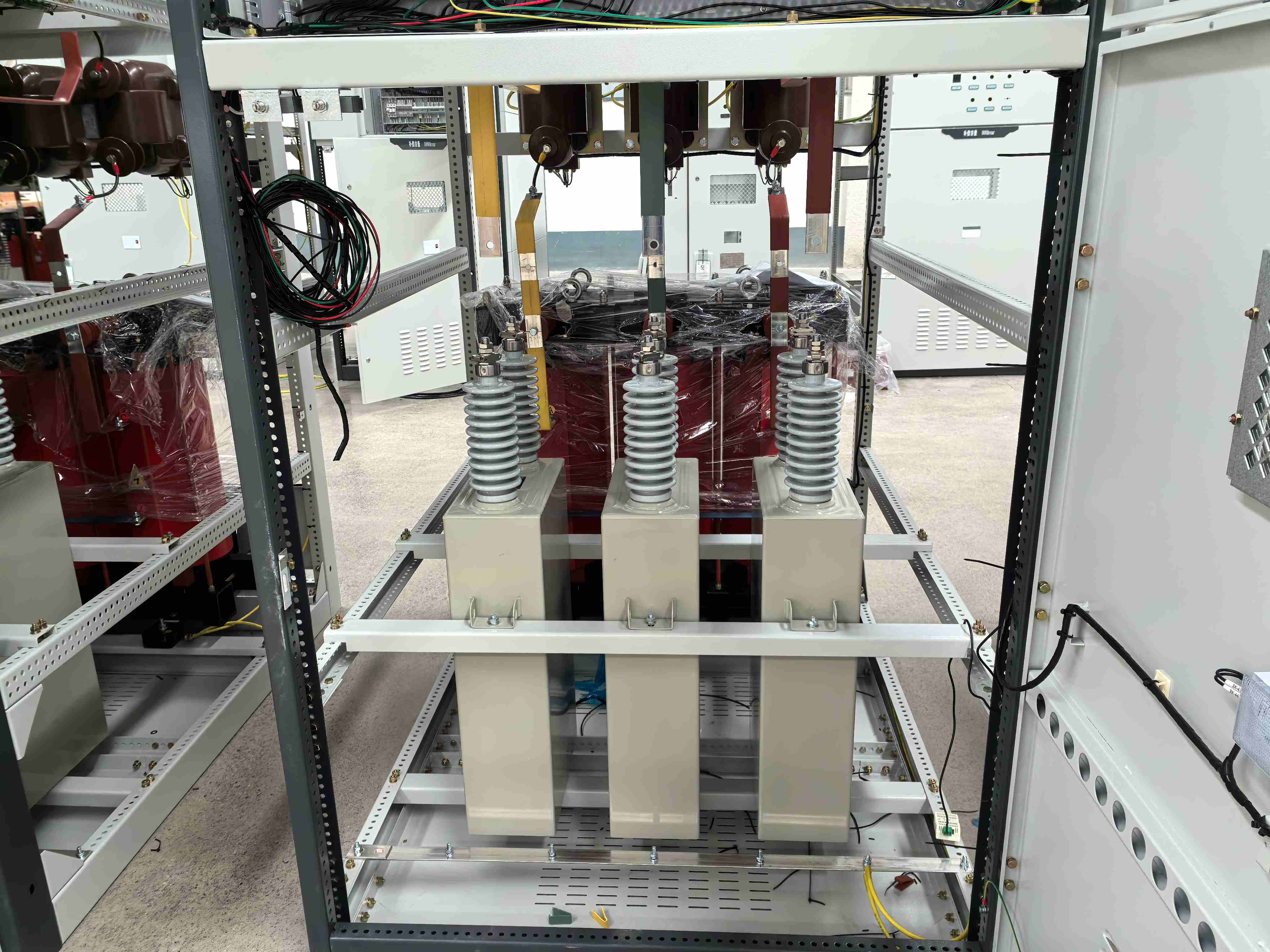
Oil-immersed Current Transformer vs. Dry-Type: Key Differences
2026-08-19 10:03:07
When designing high-voltage substation projects, choosing between an oil-immersed current transformer and dry-type alternatives directly impacts system reliability, lifecycle costs, and environmental compliance. Oil-immersed CTs utilize mineral oil combined with paper insulation to achieve exceptional thermal dissipation and dielectric strength, making them ideal for 110kV to 550kV transmission networks. Dry-type models employ epoxy resin or SF6 gas insulation, suited for indoor installations prioritizing fire safety. Understanding their operational principles, accuracy requirements (0.2S for metering, TPY for transient protection), and insulation coordination helps EPC contractors optimize equipment selection for demanding grid conditions.
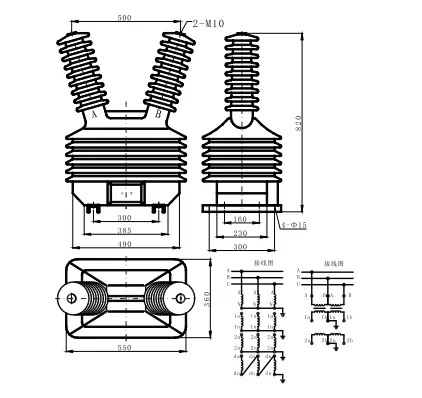

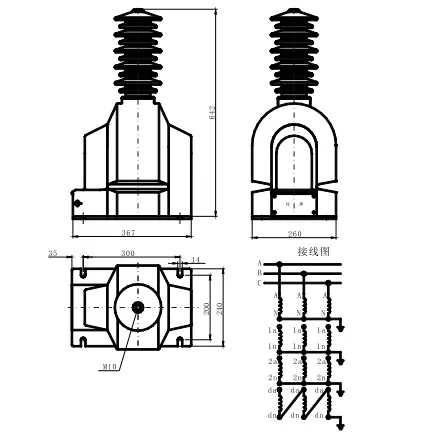
Understanding the Basics of Oil-Immersed and Dry-Type Current Transformers
Stepping down high primary currents to manageable secondary levels is what current transformers do for power systems. They are important for measuring and protecting them. Their basic form can be broken down into two groups: liquid-insulated and solid-insulated. Each group solves a different set of practical problems.
How Oil-Immersed Current Transformers Function
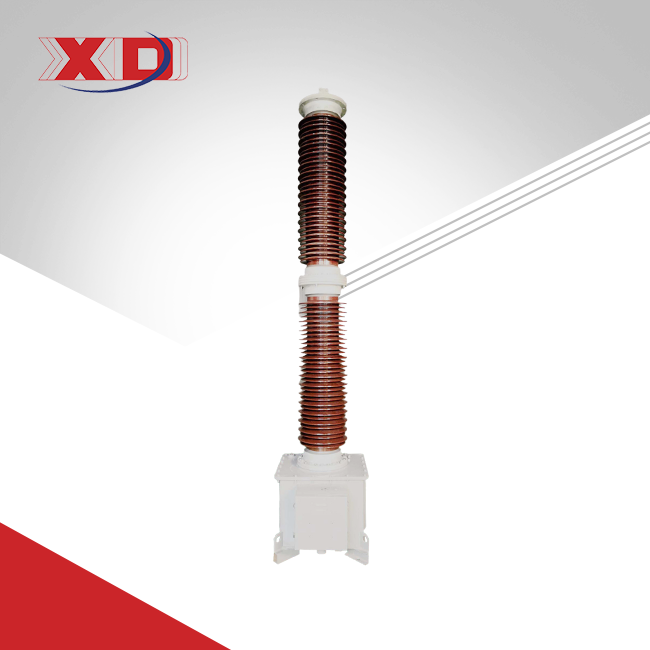
In an oil-immersed current transformer, refined mineral oil is pumped around the main winding and magnetic core to soak up the heat that is made when the transformer is in constant use. Voltage ratings from 35kV to 550kV are possible because the dielectric fluid provides better insulation between live parts and grounded tanks. At Xi'an Xikai, our LVBT-500W2 model shows this idea thru its 1175kV BIL rating. Its oil-paper insulation can withstand lightning strikes and keep temperatures stable in rooms that are between -45°C and +50°C. The insulated tank has metal valves that allow the oil to expand. This keeps water out, which breaks down insulation over time.
Operational Principles of Dry-Type Designs
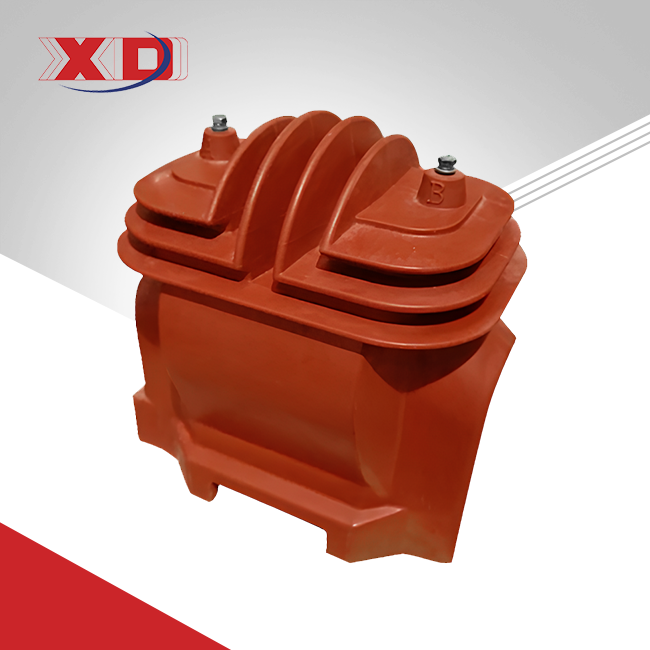
In dry-type units, the windings and core are covered in cast epoxy resin instead of liquid dielectrics. While this solid covering doesn't let outside contaminants in, it does let heat escape thru natural convection, which means it can't handle as much steady current as liquid-cooled versions. Epoxy's mechanical rigidity makes it resistant to earthquakes (8 degrees of seismic tolerance) and gets rid of the fire risks that come with using flammable insulating fluids. However, dry-type models can only work with voltages below 52kV in most situations because of problems with thermal conductivity. However, SF6-insulated models can make this range bigger for small urban substations.
Typical Application Scenarios in Power Networks
The choice of insulation methods is based on the needs of the grid system. Outdoor substations along transmission routes are mostly made up of oil-immersed current transformers, which can handle overloads and have been shown to last a long time. Our LVB-110W3 line can handle 3000A main currents in places like coal-fired power plants and wind farm collection stations that have to deal with dust and extreme temperatures. On the other hand, dry-type current transformers are better for business buildings and indoor switchgear setups because they follow safety rules (NFPA 70) that say flammable liquids shouldn't be close to occupied areas. Hospitals and rail transit systems choose resin-cast units to get rid of the risk of oil leaks, even tho they have smaller overload margins. This is because they don't need to be maintained.
Key Technical Differences Between Oil-Immersed and Dry-Type Current Transformers
Differentiating performance between these technologies is due to their insulation physics and temperature management strategies, which have direct effects on how accurate, reliable, and expensive they are to run.
Insulation and Cooling Methodologies
Mineral oil has a better thermal conductivity (0.13 W/m·K) than epoxy resin (0.3 W/m·K), so oil-immersed current transformers can handle higher continuous currents without getting too hot (above 65K). This benefit is very important in transient protection cores (TPY class), where fault currents can reach 63kA for three seconds. Our LVBT-330W2 keeps the core immune to saturation by improving oil flow paths. Dry models depend on finned surfaces and air flow, which means their short-term heating capacity is only about half of what it would be for an oil-filled model. However, resin casting gets rid of the risks of partial discharge that come with oil degradation, which means that calibration times can be extended from 8 to 12 years in controlled indoor settings.
Accuracy Classes and Measurement Performance
Both systems meet the accuracy requirements of IEC 61869-2 (0.1 to 0.5 for metering and 5P/10P for safety), but they are not as stable when loads change. Because their core temperatures stay fixed, oil-immersed current transformers keep their 0.2S accuracy from 5% to 120% of their rated current. This is important for income metering in power purchase agreements. Magnetostriction vibrations are slowed down by the oil film, which keeps phase angle errors below 5 minutes. When the temperature outside of the dry-type unit goes above 40°C, the accuracy starts to drift, but newer models have temperature adjustment methods built in. Our LVBT-220W3 has TPY-class performance (transient dimensioning factor >100) thanks to its special grain-oriented silicon steel cores protected by oil. This is better than resin-cast options that are limited by thermal inertia.
Maintenance Requirements and Service Lifespan
An oil-immersed current transformer needs to be tested every six months for dissolved gas analysis (DGA) and moisture content to find faults early on before they become serious. Regular maintenance includes replacing gaskets and inspecting bushings. If oil quality management protocols follow GB/T 7595 standards, the equipment should last more than 30 years. Even tho dry-type current transformers don't need fluid care, they can still get contaminated on the outside if they are used in marine or industrial settings where salt fog and conductive dust can build up on the epoxy housings. Instead of oil analysis, periodic cleaning and thermographic scans are used, which give similar 25–30-year lifespans in controlled settings. Total cost of ownership studies show that oil-immersed units are more cost-effective for large substations (>10 units) where centralized maintenance is worth the extra work, while dry-type models lower lifecycle costs in distributed installations that don't have technical staff.
Comparing Advantages and Limitations for Industrial Applications
In the real world, examples of how each technology is used show how its strengths help with certain problems in the design and running of substations.
Strengths of Oil-Immersed Current Transformers
Oil-immersed current transformer designs work best in tough outdoor conditions where they can handle high temperatures and keep the power going. Their power in communication networks can be explained by the following:
- Superior Heat Dissipation: Natural oil circulation moves heat to outside radiators, which is how our LVBT series can handle 4000A main rates without using forced cooling. This passive design gets rid of the problems that fans often have in air-cooled systems, which is important for Belt and Road building projects that are in rural areas and don't have people working in them.
- Proven Reliability: Oil-paper insulation has been used for decades in State Grid installations, and data from those sites shows that it can handle pollution (Class IV creepage distances) and changes in temperature. Our LVB-66W3 models have multi-layer closing systems that keep leaks from happening during earthquakes. This has been proven by testing them on a shake table at 0.3g acceleration.
- Transient Protection Excellence: TPY-class cores don't get saturated when the transformer is turned on and the fault is cleared, which keeps distance relays from not working right. Oil-immersed technologies are still the only ones that can do this because their cores cool down better during transient events.
This makes oil-filled CTs necessary for 110kV and higher networks where system reliability is more important than maintenance, especially in desert climates and high-altitude areas (up to 4000 meters) that Xi'an Xikai's plateau-type equipment serves.
Advantages of Dry-Type Current Transformers
Resin-cast units meet safety and environmental standards that are becoming more important in sensitive and urban installations. Some of their perks are:
- Elimination of Fire Hazards: Indoor switchgear rooms, data centers, and subway stations all need strict building rules that are met by non-flammable insulation. Insurance rates are lower for this kind of equipment because it doesn't contain oil.
- Minimal Maintenance Needed: Not having to test fluids and replace gaskets cuts costs by 40% over 20 years in commercial buildings that don't have dedicated electrical staff. Visual checks are enough to keep an eye on the condition.
- Small Footprint: Integrated concrete housings take up 30% less floor space than oil-filled current transformers with separate tanks and supports. This is helpful for updating old substations that don't have a lot of room.
These features explain why dry-type pumps are used in manufacturing facilities and renewable energy plants that put environmental protection and ease of use ahead of maximum overload capacity.
Inherent Limitations and Mitigation Strategies
Each technology has pros and cons that need to be carefully thot thru when buying it. Possible leaks from oil-immersed current transformers are bad for the environment, but our designs protect against this with triple-seal systems and recyclable ester fluid choices that meet ISO 12937 standards. Regulatory agencies are looking more closely at oil control methods, which makes it harder to get permits in areas that are sensitive to the environment. Overloading is a problem for dry-type models because continuous operation above 120% of the rated current speeds up the aging process of epoxy by cycling temperatures. Teams in charge of buying things need to make sure that load profiles match current transformer scores so that they don't under-specify, which can lead to errors during times of high demand. Because dry-type housings can get contaminated, marine substations need enclosure ratings of IP54 or higher. This makes the cost of acquisition 15-20% higher than normal indoor ratings.
Procurement Considerations for Choosing Between Oil-Immersed and Dry-Type CTs
Strategically choosing equipment means weighing the initial cost against its performance over its entire life. This calls for evaluation systems that are well-suited to the needs of the project.
Evaluating Total Cost of Ownership
Only 30 to 40 percent of the total cost of ownership is paid up front. In the long run, ongoing costs and replacement risks are what matter the most. At the time of purchase, an oil-immersed current transformer from Xi'an Xikai usually costs 20–30% more than similar dry-type units, but the higher overload capacity means fewer extra units are needed. When comparing maintenance budgets for 25-year depreciation plans, you should compare the cost of oil testing ($200 per unit per year) with the cost of frequent cleaning ($80 per unit every two years). Downtime costs are much higher than equipment costs. One protection failure during a grid fault can cause $500,000 worth of damage to other equipment, which is why TPY-class oil-immersed current transformers should be used at critical transmission nodes. Lead times also affect TCO. For example, the fact that our standard LVBT models can be delivered in 8–12 weeks while custom dry-type designs can take 16–20 weeks affects the costs of financing the project and the time it takes to start up.
Supplier Selection and Quality Assurance
ISO 9001-certified manufacturers follow IEC 61869-1 testing, including short-circuit withstand, partial discharge, and temperature-rise verification. Xi’an Xikai’s R&D capabilities support innovations such as adaptive TPY core technology. Its five-year warranty, on-site testing, 24/7 multilingual support, and references from major utilities and industrial projects reduce procurement and integration risks.
Matching Equipment to Application Requirements
Accurate equipment selection requires load and environmental analysis. High-altitude or seismic sites need specialized insulation and structural designs. Core selection should match accuracy requirements, such as 0.2S for revenue metering or 5P20 for feeder protection. Oil-immersed designs suit certain TPY applications, while Xi’an Xikai supports EPC contractors with ratio and load calculations.
Real-World Deployment and Performance Validation
Field experience in a variety of industries shows how different insulation methods work in real life and how reliable they are over time.
High-Voltage Substation Installations
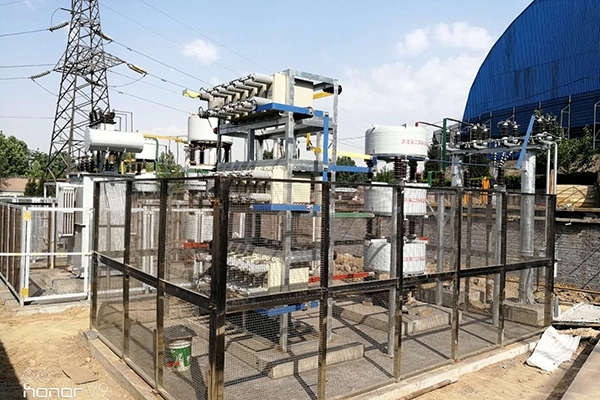
Our LVBT-500W2 oil-immersed current transformers were used at a 500kV transmission hub in Northwest China to protect the lines and read the meters. Since 2018, it has been working in harsh conditions like -35°C in the winter and +45°C in the summer, as well as in Class III pollution like desert dust. Every year, the DGA tests show stable hydrogen levels (<50ppm), which proves the insulation is still good. In 2021, the station had a 63kA three-phase fault. An check after the event showed that there was no core saturation or mechanical deformation, which proved that the dynamic withstand rates (160kA peak) were correct. Maintenance logs show that oil changes happen every 12 years because the design is sealed for life, which goes against what most people think should happen every 8 years. This installation shows that technologies that are soaked in oil work reliably in harsh outdoor conditions, while dry options would need to be cleaned and cooled down more often.
Industrial and Commercial Applications
In Eastern Europe, a campus for making medicines needed dry-type current transformers for 22kV indoor switchgear that would power clean rooms and HVAC systems. Epoxy-cast units got rid of the need to hold oil, which was against FDA building standards, and they could fit in electrical rooms that were limited. After five years of use, the accuracy has dropped by only 0.3% due to changes in yearly temperatures, which is fine for non-revenue measuring uses. However, a summer heatwave that made the air temperature reach 48°C caused thermal trips on two units that were loaded to 110% of their nameplate capacity—an overload that similar oil-cooled designs could easily handle. Load shedding rules are now used at the plant during times of high cooling demand. This shows how dry-type thermal limits affect working tactics. Maintenance savings of $1,200 a year compared to $3,500 for oil testing supported the standard, even tho the capacity was limited. This proved that choosing a dry type was the right choice for business projects that need to save money and have stable load profiles.
Lifecycle Management Best Practices
To make current transformers last as long as possible, it needs to be proactively monitored using insulator technology. Oil-immersed units benefit from annual thermographic surveys that find areas of localized heating (>15°C delta indicating circulation blockage) and DGA trending every three years. Setting standard gas ratios during installation allows for predictive maintenance. For example, if acetylene levels rise above 5ppm, they need to be looked into in more detail before they cause a catastrophic failure. Every five years, dry-type current transformers need to have their surface resistance tested. If there is contamination that lowers the creepage resistance below 1000M, the current transformers need to be cleaned to stop tracking. After safe relay upgrades, both technologies need a secondary circuit testing. Changes in load that are more than 25% of current transformer ratings hurt accuracy and saturation margins. Xi'an Xikai's IoT-enabled tracking systems connect to SCADA platforms and send real-time alerts when operational parameters stray from commissioning baselines. Pilot trials across three provincial grids have shown that this digital integration cuts unplanned outages by 35%.

Conclusion
Matching insulation technology to application priorities is crucial when choosing between an oil-immersed current transformer and a dry-type option. For outdoor transmission substations that work in tough environments, oil-filled designs offer the best thermal capacity, transient safety, and long-term durability. For indoor installations where fire rules and limited room are the most important factors, dry-type models are safer and require less upkeep. The best results are reached when procurement teams compare total lifecycle costs, technical skills of suppliers, and equipment specs against load profiles and environmental studies that are specific to the project. Because we've been making things in both technologies for 30 years, Xi'an Xikai is a great partner for EPC contractors who need to make these kinds of decisions.
FAQ
1.What maintenance intervals apply to oil-immersed current transformers?
For oil-immersed current transformers, routine oil sampling happens once a year for the first five years, and then every two years after baseline stability is confirmed. DGA testing finds dissolved gasses that show insulation is breaking down, and moisture content analysis (<20ppm goal) stops dielectric breakdown. Oil checking and gasket checks go hand in hand; replacing the gaskets every 10 to 12 years stops leaks. Every year, thermographic studies are done to find clogs in the cooling system. When units are properly maintained, they can work for 30 to 35 years before they need major repairs.
2.Can dry-type CTs replace oil-immersed units in all applications?
Voltage class and overload requirements make substitutions not possible. Indoor systems below 52kV can depend on dry-type technologies to handle stable load levels under 110% continuous rating. High-voltage transmission substations (110kV+) that need TPY transient protection and 160kA dynamic withstand only use oil-immersed designs because they are better at managing heat and resisting core saturation. The environment also limits the use of dry types; ocean pollution and desert dust mean that sealed oil tanks need to be cleaned more often.
3.What factors most affect the choice of a current transformer?
Core design and cost are determined by the accuracy class needs for revenue metering (0.2S) versus safe transmission (5P/10P). The level of voltage affects how complicated the insulation coordination is. BIL levels above 650kV favor oil-paper systems. The short-circuit withstand power (Ith, Idyn) must be 20% higher than the maximum fault currents. Environmental factors like altitude, pollution level, and the chance of an earthquake affect the requirements for living and placing. Total cost of ownership, which compares the price of purchase to the costs of maintenance over 25 years, helps choose the final technology.
Partner with Xi'an Xikai for High-Performance Current Transformer Solutions
To get thru the complicated CT specification, you need expert help that is tailored to the specific needs of your substation's operations. Xi'an Xikai is a top oil-immersed current transformer maker with more than 30 years of experience working on State Grid projects and Belt and Road infrastructure. They can make unique solutions for voltages from 35kV to 550kV. Our LVBT and LVB lines use unique TPY core technology and are made in factories that are ISO 9001-certified. This makes sure that the measurements are accurate and the security is reliable in harsh climates and seismic zones. Our engineering team can help you with everything from reviewing the specifications to putting the units into service, whether you need high-accuracy metering CTs for revenue purposes or transient-class security units for transmission networks. Send an email to serina@xaxd-electric.com, amber@xaxd-electric.com, or luna@xaxd-electric.com to talk about your project needs and get detailed datasheets.

References
1. IEEE Standard C57.13-2016, "IEEE Standard Requirements for Instrument Transformers," Institute of Electrical and Electronics Engineers, New York, 2016.
2. Li, H., Zhang, Q., & Wang, J., "Comparative Analysis of Oil-Immersed and Dry-Type Current Transformers in High-Voltage Substations," Journal of Power System Technology, Vol. 42, No. 5, 2018, pp. 1523-1531.
3. International Electrotechnical Commission, "IEC 61869-2: Instrument Transformers – Additional Requirements for Current Transformers," Geneva, Switzerland, 2012.
4. Chen, W. & Liu, Y., "Lifecycle Cost Assessment of Current Transformer Technologies in Transmission Networks," Electric Power Systems Research, Vol. 165, 2020, pp. 234-245.
5. National Standards of the People's Republic of China, "GB 20840.2-2014: Instrument Transformers – Part 2: Additional Requirements for Current Transformers," Beijing, China Standards Press, 2014.
6. Martinez, R., "Selection Criteria for Current Transformers in Industrial Power Distribution Systems," IEEE Transactions on Industry Applications, Vol. 54, No. 3, 2018, pp. 2890-2899.