
Outdoor Disconnect Switch: Key Factors for High-Voltage Selection
2026-11-11 17:21:04
The right outdoor disconnect switch for a high-voltage substation matches the system's rated voltage, continuous current, and short-circuit withstand level. It also suits the site's altitude, pollution, ice, and wind, and it arrives with type test reports and operating records. A smooth-running mechanism matters as much as the electrical rating, because a sticking drive can delay an energization date. In this guide, I walk EPC contractors, project managers, and electrical engineers through each factor, so you can write a clear specification and compare bids with confidence.
Understanding the Outdoor Disconnect Switch Before You Specify It
What an Outdoor Disconnect Switch Does
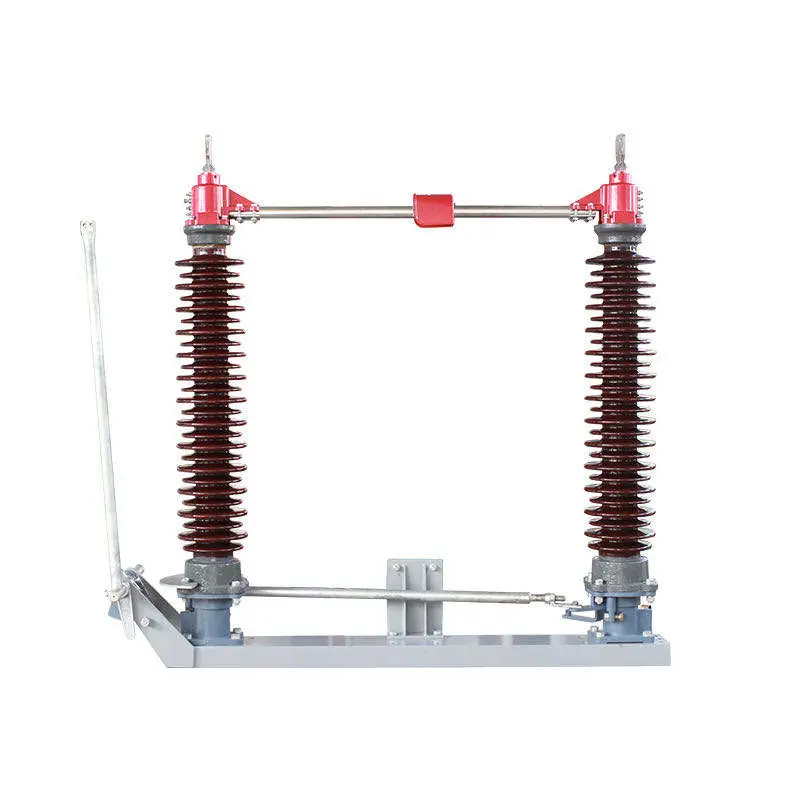
An outdoor disconnect switch keeps electrical tools from connecting to the power source so that workers can do their jobs safely. It keeps a live line away from the busbar, the circuit breaker, and other parts that need to be fixed in a high-voltage substation. The air gap that can be seen when the blades open shows that the circuit is closed. Plans for repair, service, and emergency shutdown can all be used on the same device. The outdoor disconnect switch is out in the open, so every day it has to deal with rain, sun, dust, and changes in temperature. Because of the weather, the choice of equipment is different from equipment used inside, and this is why mechanism design is just as important as voltage class.
Load-Break, No-Load, and Overcurrent Protection
It's best to separate the three thoughts early on. The GW7B-363 instructions say that a disconnector can only open and close a circuit after the load is turned off. A circuit breaker stops both fault and load current. An outdoor disconnect swoitch does not protect against overcurrent like a fused version does. When you mix these jobs up, you get wrong interlocks and buy orders. Check to see if the bay needs a plain disconnector, one with an earthing switch, or a different device before you place your order. Also, make sure that your protection engineer agrees with the operating sequence. That check saves time and money by avoiding extra work.
High-Voltage vs. Low-Voltage Products
The term "outdoor disconnect switch" also refers to 30A and 60A boxes that are placed next to air units in the United States. These items follow low-voltage rules and use NEMA ratings for enclosures. Equipment used in substations is a different type. IEEE Std C37.30.1 talks about AC air switches with a rating of more than 1000 V, and IEC 62271-102 talks about AC disconnectors and earthing switches for high-voltage systems. In your bid papers, make sure you list the right standard family so that all bidders offer the same type of equipment. A mistake at this point can lead to long rounds of explanation during the bid review.
Key Electrical Ratings for an Outdoor Disconnect Switch
Voltage and Current Ratings
Start with the highest voltage and current that each bay can carry all the time. Check to see which standard voltage class fits each bay. In the US, transmission lines usually run at 115, 138, 230, 345, and 500 kV. The GW6 High Voltage Disconnect Switch can handle up to 4000 A of current and 126 kV to 550 kV of voltage. The GW7B-363 we sell works with 363 kV systems. Leave enough room for load growth, but don't go too big. When the grade goes up, the size, weight, and base loads of the conductors change. Put both numbers in your request for a datasheet so that every outdoor disconnect switch offer is the same.
Short-Circuit Withstand Capability
Buyers of low voltage read SCCR. When engineers work with high voltage, they look at the rated peak withstand current and the rated short-time withstand current. These numbers should come from your short-circuit study, not a catalog base. It is important for the outdoor disconnect switch to carry fault current without welding or warping when it is closed until the breaker clears the fault. For each bid, ask for the type test report that backs up the rating on the exact model being offered. Line by line, look at the current numbers and lengths of time. If the report talks about a different structure or voltage class, you should ask for a written explanation before giving the award.
Insulation Level, Altitude, and Pollution Creepage
Insulation needs are based on the factors of the site. Since the air is lighter at high elevations, the level of external insulation needs to be changed. When there is a lot of pollution, like from salty seawater, dust from factories, or desert sand, the creepage distance needs to be longer. IEC 60815-1 tells you how to choose insulators when there is pollution. Up to 4,000 meters above sea level, Xi'an Xikai plateau-type equipment can be used. Grading rings on the stationary contacts of the GW6 cut down on radio interference and made the electric field stronger. Let us know about your altitude and pollution class as soon as possible so that our engineers can talk to your design institute about the insulator and creepage choice.
Matching an Outdoor Disconnect Switch to Site Conditions
Rain, Ice, Sand, and Wind
Every outdoor disconnect switch is exposed to the weather all the time. Adding weight to wires and insulators is what wind does. Sand can grind moving parts down, and ice can stop them from moving. The GW6 has a sealed drive assembly that can handle sand and ice. It also has a rating for harsh environments, so it can be used in deserts and cold climates. Add IEEE Std 693 to your review if you live in an area of the US that is prone to earthquakes. It tells you how to build substations so that they can withstand earthquakes. Include the expected thickness of the ice, the speed of the wind, and the level of the earthquake. These inputs change the choice of insulator, the loads on the terminals, and the design of the mechanism.
Corrosion Protection and Materials
Corrosion shortens the life of things, especially near the coast or industrial buildings. High-strength aluminum alloy wires are used in the GW6. These are light and won't rust. The levers and shafts are made of brass or stainless steel, which doesn't rust. The hot-dip steel base keeps it from rusting, and our product data says that base will last longer than 30 years. Ask what the main parts of each outdoor disconnect switch are made of and how they are coated when you compare bids. "Corrosion-resistant" doesn't tell you anything about the part's material or how it will age.
Enclosure Ratings and Indoor vs. Outdoor Disconnect Switch Use
NEMA 3R, NEMA 4X, and IP ratings all talk about enclosures, but they are not the same thing. The NEMA types are set out in NEMA 250. These ratings are for low-voltage disconnects and control cabinets. Instead, the insulation, sealed drive, and elements in an air-break high-voltage switch do the work. Don't put an indoor-rated switch outside just because it looks like an outdoor switch. When it comes to sealing, drainage, UV protection, and corrosion, an outdoor disconnect switch has features that indoor gear doesn't have. If the site is near water or chemicals, the mechanism cabinet may need to be made of stainless steel or NEMA 4X. Check that the environmental rating given fits your site, and don't make any changes to the fields that could break seals.
GW6 Outdoor Disconnect Switch for 126–550 kV Projects
Vertical Retractable Structure
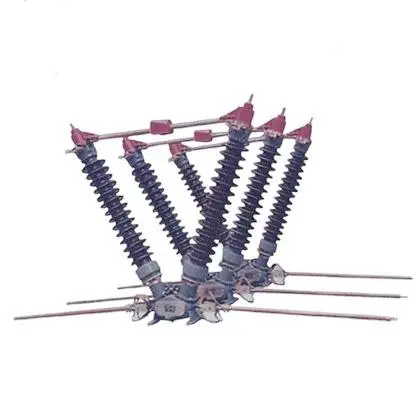
The GW6 has a frame that can be pulled back vertically. The data sheet for our product says that compared to regular switches, it cuts the distance between phases by 30%. That helps in tight substations and upgrades in cities. The same small layout works well for renewable energy projects that are far away and need to pay for land and building work. The rated voltage is between 126 kV and 550 kV, and the rated current can reach 4000 A. For bays that don't have a lot of room, the GW6 outdoor disconnect switch gives layout engineers more room to work. Our team will compare your clearance drawings to the GW6 dimensions as soon as you send them to us, so you can finish designing the bay.
Contacts, Joints, and Drive
How the switch works after years of use depends on how it was built. Triple-layer bushings make motion smooth and low-friction. The flexible joints at the pivots make them easier to install. Levers and rods made of metal or stainless steel don't rust. Radio interference is cut down and the electric field is made stronger by putting grading rings on the stationary contacts. These features work together to fix the problem of the device sticking that many project managers are worried about. Our data shows that this cuts downtime by up to 50% because modular parts can be replaced quickly. The GW6-Smart version, which is optional, has IoT sensors that check the alignment and resistance of the contacts in real time.
Testing, Quality Control, and Applications
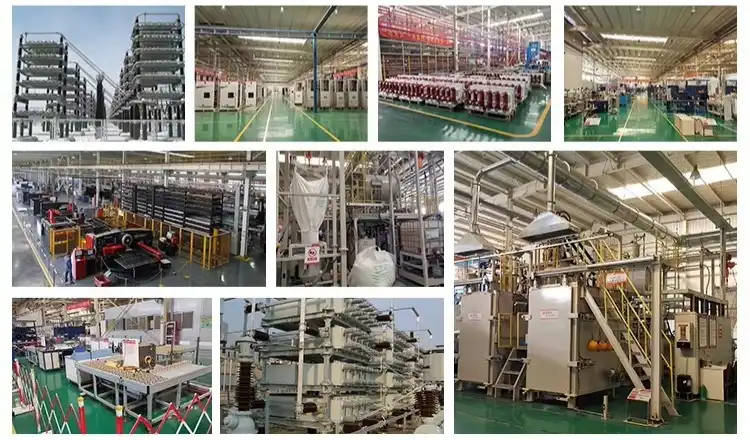
Every GW6 is checked for metal purity with an X-ray. It also finishes simulation tests with more than 10,000 mechanical operations in temperature-controlled rooms. Finally, it does final IEC-standard dielectric and impulse tests. Our ISO 9001-certified companies handle more than 500 orders a year and use AI to keep an eye on quality. Our research and development team is from the National 863 Project and has patents for high-voltage work that is related to this work. This outdoor disconnect switch is used for substations in both new construction in cities and green energy projects in rural areas. Xi'an Xikai also offers custom solutions. Just tell us about your site, and we'll make sure that the configuration works for you.
Installation, Maintenance, and Supplier Evaluation
Installation Checks
A good installation starts with taking the boxes apart. As a package, the GW7B-363 comes with the main conductive part, the post insulator, the working device, and the base. Compare each group to the packing list, and look for cracks and dents in every post insulator. Check that the screws are tight and compare the nameplate to the purchase order. Hand-operate the mechanism to make sure it can turn freely, opens and closes reliably, and the auxiliary switch works correctly. Make sure the base is level and the right size for the switch. Installation, grounding, and testing should only be done by qualified people who follow the electrical code and project documents.
Maintenance Plan
Every outdoor disconnect switch needs a schedule. Our GW7B-363 directions say that it needs to be reworked on every five years and right away after a serious short-circuit. Crews clean conductive parts and support insulators of dirt, then put conductive grease on the areas that will touch. They check the fasteners and look for clamping stagnation at the pin holes and drive connections. They also grease the parts that move. They look for scratches and cracks in post insulators and repair any that are broken. They turn the output shaft 100° on the manual mechanism and make sure the secondary switch works right. Sites near the coast and in dust should get more attention.
Evaluating the Outdoor Disconnect Switch Supplier
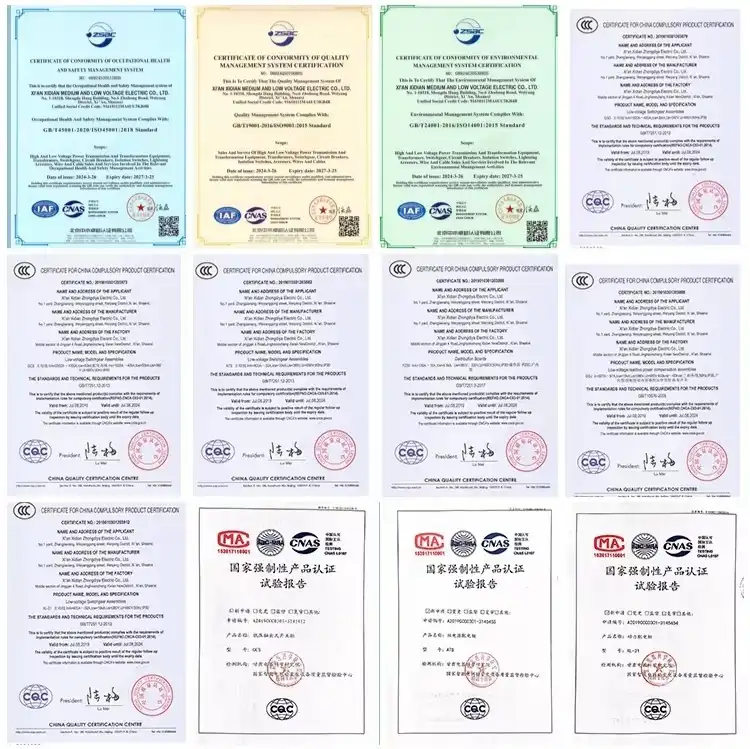
Your list of qualified vendors and the design institute's advice give you a place to begin. Then look into it. Ask for type test reports from a separate, accredited lab, and make sure that each report matches the exact configuration that was given. Ask for working records from places with similar temperatures and voltage levels. Look over the test reports, drawings, certificates, and datasheets together. In a single table, you can compare lead time, support for spare parts, warranty terms, and export experience. If your project needs approval from a utility or grid in another country, find out early on what documents the reviewer needs. If a supplier gives clear answers to these questions, they probably will also communicate well during construction.
Conclusion
Before you buy a high-voltage outdoor disconnect switch, make sure it has the right values. These include the system voltage, the steady current, the short-time and peak withstand current, and the insulation level, with pollution and altitude taken into account. The barriers, materials, and drive design are then shaped by things like ice, sand, wind, earthquakes, and rust on the site. Ratings for enclosures are mostly used for control boxes, and things that belong inside shouldn't be outside. Long-term operation is protected by a smooth mechanism, proper installation, and regular maintenance. Comparable bids are set apart by type test reports, operating records, and documents that match the configuration that was quoted. The GW6 shows these things with its voltage range, sealed drive, safety materials, and tried-and-true design.
FAQ
1. Is an outdoor disconnect switch the same as a circuit breaker?
No, a circuit breaker stops both fault and load current. A disconnector pulls the tools away from the load and leaves a clear space for safe work.
2. Can I use an indoor-rated switch where an outdoor disconnect switch is required?
No, indoor types don't have the sealing, UV resistance, drainage, and protection against rust that are needed for use outside. Make sure the product list fits the site.
3. How often should I service the switch?
The GW7B-363 maintenance guide says to service it right after a severe short-circuit event and get it checked out every five years. Sites near the coast and in dust need more checks.
4. What should I send with a quote request?
Send the altitude, pollution level, ice and wind conditions, quantity, voltage, current, short-circuit values, and the destination.
Request a Quote for Your Outdoor Disconnect Switch Project
Need a company that makes outdoor disconnect switches for a 126–550 kV project? Xi'an Xikai has the GW6 High Voltage Disconnect Switch, equipment for plateaus up to 4,000 meters above sea level, and custom solutions. To serina@xaxd-electric.com, amber@xaxd-electric.com, or luna@xaxd-electric.com, send your voltage, current, height, pollution level, and quantity.
References
1. IEC 62271-102: High-voltage switchgear and controlgear – Part 102: Alternating current disconnectors and earthing switches, 2018
2. IEEE Std C37.30.1: IEEE Standard Requirements for AC High-Voltage Air Switches Rated Above 1000 V, 2011
3. IEC 60815-1: Selection and dimensioning of high-voltage insulators intended for use in polluted conditions – Part 1, 2008
4. IEEE Std 693: IEEE Recommended Practice for Seismic Design of Substations, 2018
5. NEMA 250: Enclosures for Electrical Equipment (1000 Volts Maximum), 2020
6. IEEE C2: National Electrical Safety Code, 2023