
Outdoor SF6 Circuit Breaker: How to Select the Right Current Rating
2026-11-10 17:20:14
To select the right current rating for an outdoor SF6 circuit breaker ,start with the maximum load the circuit can carry, not today's average load. Calculate line current with I = S / (√3 × V), add a margin for growth and emergency transfers, then choose the next standard rating above that value. Check the result against ambient temperature, altitude, and fault level. For 35 kV projects, the LW8-40.5 offers 1600, 2000, 2500, and 3150 A options, so our team can match most transformer and feeder duties. Rated current is only one of several ratings to verify.I wrote this guide for project managers and electrical engineers who size an outdoor SF6 circuit breaker for substations exposed to heat, humidity, and salt air. The sections follow the order of a real selection job, from ratings to the final checklist.
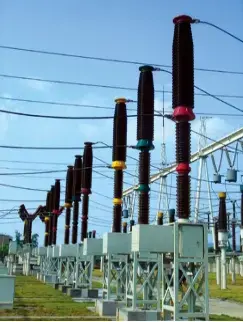
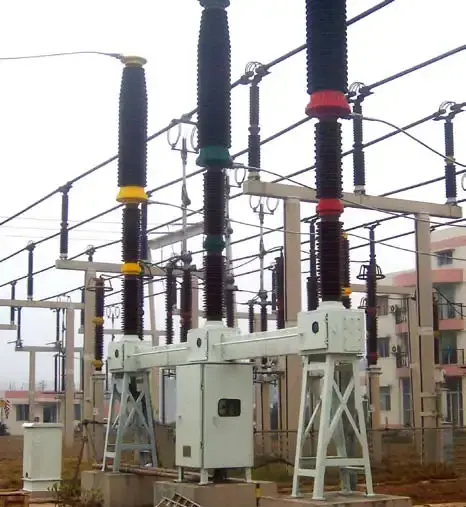
Understand the Main Ratings of an Outdoor SF6 Circuit Breaker
Rated Continuous Current Is Only One Number
The breaker's rated constant current is the most current it can handle without going over its temperature-rise limits under certain situations. Buyers often get it mixed up with other ratings. The level of insulation is set by the rated voltage. The fault that the breaker can stop is called the short-circuit breaking current. The short-time and peak withstand currents show how long the breaker can handle a fault while it is closed, and the making current shows how long it can handle closing onto a fault. Even if a breaker handles 2,000 A all day, it won't be able to handle a fault on your grid. Because of this, we suggest that the standard list all of the ratings for each outdoor SF6 circuit breaker. This rating system is set by both IEC 62271-100 and IEEE C37.04. It helps people in the US compare datasheets from different parts of the world.
Where the LW8-40.5 Fits
The LW8-40.5 outdoor SF6 circuit breaker can handle up to 40.5 kV of voltage. Its rated voltage is 35 kV. It can handle 1600, 2000, 2500, or 3150 A of electricity. Other common IEC steps are 630 A, 1,250 A, and 4,000 A. For jobs outside the 1600–3150 A range, a different configuration is needed. The breaker trips 21 times at 31.5 kA at rated voltage without any repairs or SF6 replacement. IEEE grades show that 35 kV equipment is close to 38 kV equipment. This will be clear to experts in the US. The numbers in the two systems are not the same, so look at each one on the datasheet and compare them.
Mechanism and Monitoring Support the Rating
A current rating is only useful if the mechanism always works. This is what all outdoor SF6 circuit breakers depend on. The LW8-40.5 has a CT14 spring-operated mechanism that can handle more than 3,000 operations, so it can be used a lot. Using compressed gas to stop an arc keeps arc times short and helps electrical endurance. As an option, up to 12 CTs can be added to each unit. This gives the protection and metering teams more space to work. Temperature doesn't change the readings on the MKZ-type SF6 density gauge, so whether it's cold at night or hot in the afternoon, the gas reading stays accurate. Before setting the rating, check the mechanism data to see if the operating sequence and any auto-reclosing needs are correct.
How to Calculate the Required Current Rating for an Outdoor SF6 Circuit Breaker
Start With the Three-Phase Formula
For a three-phase circuit, line current is equal to apparent power divided by the square root of three times line voltage: I = S / (√3 × V). To get amps, multiply kVA by kV. Put a 63 MVA transformer on a side with 35 kV. It's 63,000 kVA ÷ (1.732 × 35 kV), which equals about 1,039 A. Use the transformer's highest rated output instead of the load that is currently connected to it. This includes its highest cooling stage. That number shows how much power the equipment can handle on its busiest day. The outdoor SF6 circuit breaker has to handle that much current without getting too hot.
Add a Practical Margin
A margin accounts for growth, seasonal peaks, emergency transfers, and short-term overload. A 25% margin raises the design current to about 1,300 A in the 63 MVA case, and 1600 A is the next standard step. I only use 25% as an example; the real number will depend on your design basis. Large gaps can make it more expensive and cause CTs, wires, and busbars to not match up. Temperature is also important. IEC 62271-1 says that air temperatures up to +40 °C are normal for service. If your site gets hotter, get thermal data from the manufacturer before you trust the value written on the outdoor SF6 circuit breaker address plate.
Coordinate With the Rest of the Circuit
The outdoor SF6 circuit breaker is a link in a chain. The continuous current should be the same as the ratings for the transformer, busbar, cable, disconnector, and CT. An extra 3150 A breaker on a 1,250 A busbar costs more and doesn't add any extra capacity. Also, check the fault level. The interrupting capacity, which on the LW8-40.5 is 31.5 kA, must be greater than the calculated short-circuit current at the bus. That ability doesn't get better just because the continuous rating is higher. To make sure you're safe, you need to set the CT ratio early on. The LW8-40.5's optional CT count can help with both metering and protection.
Match the Current Rating to Your Substation Application
Transformer Feeders and Incoming Lines
First find out how much power the transformer can handle on a transformer generator. Then add the cushion and the fault check. Take a look at the line charging current, line loading, and stability on an incoming line. In distribution substations, small size and easy cable termination are often important. On the other hand, fault levels and auto-reclosing duty are important for transmission projects. Not just the highest number should be on each outdoor SF6 circuit breaker on these circuits; they should all have a voltage that fits the bus. For a 35 kV project with a 63 MVA transformer, the 1600 A option in the LW8-40.5 range covers the design current of 1,300 A, while the 2000 A option gives you more room to grow.
Industrial, Renewable, and Retrofit Duty
Substations for renewable energy and industrial plants switch on and off a lot. Duty is changed by variable generation, transformer energization, and remote control. For these locations, I choose an outdoor SF6 circuit breaker based on its current limit, mechanical life, and how it works. There are more than 3,000 mechanical operations on the LW8-40.5, and it has a spring mechanism for easy use. Retrofitting projects bring up a different question. Sources say that the LW8-40.5 can replace older oil breakers like the DW8-35 with a changeover base that doesn't need any civil changes. First, compare your site plans to the actual measurements and structure of the terminal.
SF6 or Vacuum at 35 kV?
Vacuum breakers are common in medium-voltage systems and work well for switching things on and off a lot. A lot of high-voltage outdoor substations and transmission networks still use SF6 breakers. At 35 to 40.5 kV, both technologies can be used. Which one to choose depends on the switching duty, maintenance plans, and gas handling policy. The IPCC Fifth Assessment Report says that SF6 has about 23,500 times the global warming capacity of CO2 over 100 years. This is why leaking is important. The LW8-40.5 says that it leaks less than 0.5% of the time every year, and IEC 60376 sets the standard grade for new SF6 gas. People in the US should also look at their state and utility rules. For example, California has rules about SF6 in gas-insulated equipment.
Evaluate Environmental Conditions, Standards, and Testing
Temperature, Humidity, and Salt Fog
Sites outside are subject to changes in temperature, condensation, salt from the sea, dust, and sand. This puts a lot of stress on seals, grease, and casings for mechanisms, which is why many EPC teams are concerned about it. The LW8-40.5 can work in temperatures ranging from -30 °C to +55 °C. Its case is rated IP65 and has anti-corrosion treatments for use in coastal and industrial areas. It can withstand 9.2 magnitude earthquakes. Ask for the coating specification and the site conditions that were used in the design for projects that will be wet or near the coast. As with the MKZ gauge, an outdoor SF6 circuit breaker that monitors gas at any temperature keeps the values steady even when the weather changes.
Altitude and Thermal Conditions
IEC 62271-1 considers altitudes of up to 1,000 m to be normal working conditions. The insulation above that needs to be fixed because the air isn't as thick. This is true for a lot of mountain projects. The Xi'an Xikai plateau-type equipment can work at elevations of up to 4,000 meters, and our engineers can look at the data from your spot to help you choose the right model. The thermal performance can also be changed by ambient peaks, solar radiation, and heating inside the enclosure. In your RFQ for any outdoor SF6 circuit breaker, you should include the height, temperature range, humidity, and level of pollution. This way, the quote will be accurate and the chosen current rating will hold up in use.
Standards, Tests, and Documents
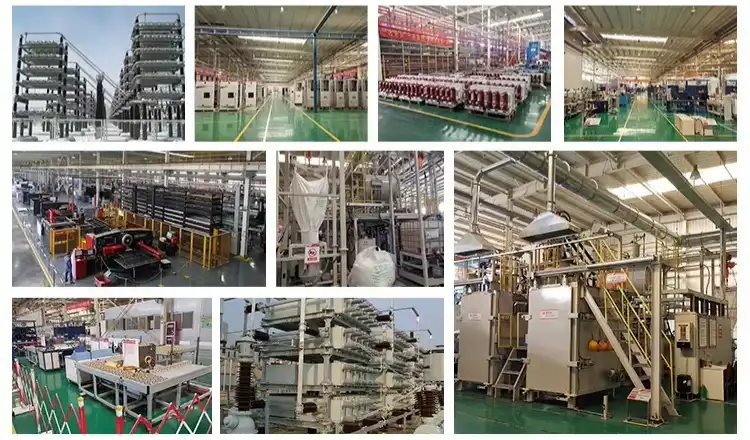
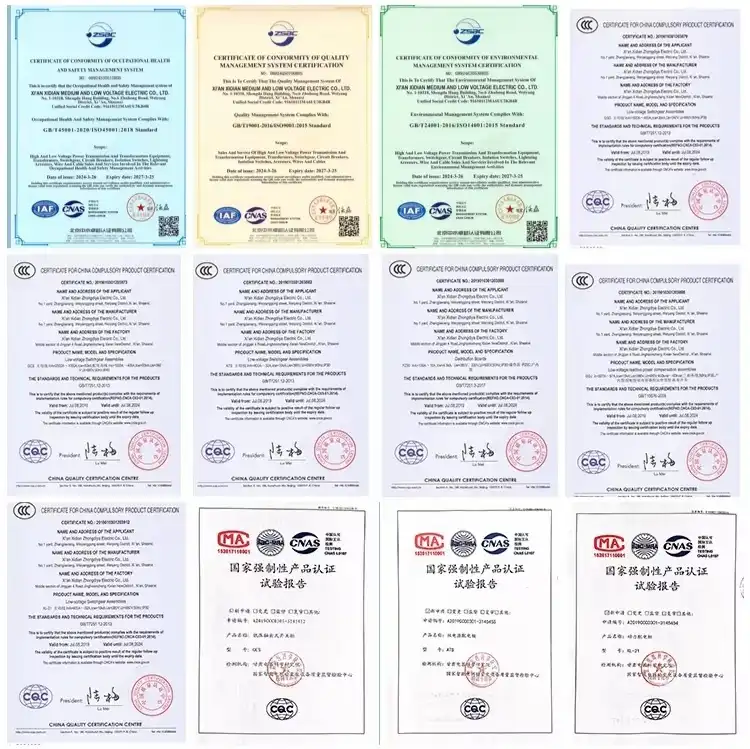
GB1984-89 and IEC 56 are both met by the LW8-40.5 outdoor SF6 circuit breaker. The most recent IEC standard for AC circuit breakers is IEC 62271-100. Please let us know which version you need for your job. Most utilities in the US use the IEEE C37 series. Our ISO 9001-certified center makes sure that every LW8-40.5 goes through at least 12 quality checks. A full package should have datasheets, drawings, type-test and routine-test results, guides, a list of spare parts, guarantee terms, and directions on how to handle SF6. Every unit that leaves the factory is in good shape because it goes through routine checks like gas tightness, contact resistance, and operating timing.
Avoid Mistakes, Choose a Supplier, and Finalize Your Selection
Common Current-Rating Mistakes
Three errors appear again and again in procurement reviews.
- Using present load instead of expected maximum load. If a feeder can carry 800 A now, it might be able to carry 1,200 A after an emergency transfer or expansion. Make sure the rating is big enough for what might happen in the future, plus a certain amount, so you don't have to replace the breaker too soon or limit the substation while it's still working.
- Confusing continuous current with fault-interrupting capacity. It is not possible for a 3150 A breaker with a low short-circuit limit to protect a bus with a high fault level. Before signing off on a supplier's datasheet or final quote, make sure that both values match up with your own system study and that you check the short-time withstand, peak withstand, and making current.
- Choosing the lowest quotation without lifecycle cost. Part of the bill is the price you paid for it. Over many years, the costs of installation, setup, SF6 service, spare parts, downtime, and expert support all add up. This hurts project sites that are far away or overseas the most, since a single missing part can stop a feeder from working for weeks.
Avoiding these three errors prevents most rating disputes between design firms, EPC teams, and suppliers.
Choosing a Dependable Outdoor SF6 Circuit Breaker Supplier
A reliable supplier has worked with outdoor SF6 circuit breakers of your voltage level, current rating, mechanism, and environment before. Check the project's IEC compliance, type-test certificates, quality systems, export experience, and references from projects that are similar. Certificates must only be used for the proposed configuration and not for a model that is similar. The Xi'an Xikai Medium & Low Voltage Electric Co., Ltd. makes over 100 different kinds of seven product categories. Power building, steel and metallurgy, petrochemicals, rail transportation, and green energy are some of the industries that use its gear. Support for an order includes drawings, customization, expert help 24 hours a day, seven days a week, and handling for extra parts. This directly addresses the worry that EPC teams often have about spare parts.
Final Checklist Before You Issue the RFQ
I recommend making one consolidated list before placing an order. Make sure you know the system voltage, the highest current that has been determined, the future growth, fault interruption, withstand and making currents, the working process, and the needs for auto-reclosing. Then look over the elevation, temperature, pollution, protection of the enclosure, monitoring of SF6 density, foundation drawings, clearances, earthing, and cable interfaces. Last but not least, look at the standards, type and routine tests, manuals, spare parts, warranty, delivery schedule, help with setting up, gas recovery process, and total cost of ownership. If teams fill out this list before the RFQ, they can compare quotes line by line, which is helpful for projects that need to buy a lot of units at once.
Conclusion
To choose the right current rate for an outdoor SF6 circuit breaker, you must first find the highest load using the formula I = S / (√3 × V) and then make any necessary adjustments. The 63 MVA, 35 kV example showed how a design current of about 1,039 A changes to one close to 1,300 A and then to 1600 A. Breaking current, resist current, mechanism durability, and circuit coordination must all be read along with continuous current. Conditions at the site, like temperature, humidity, salt fog, and altitude, can change the choice. Standards, like IEC 62271-100 and IEEE C37.04, make it easy to check documents. SF6 handling and leakage add a depth to the surroundings. People often make mistakes when they use present load, mix up current ratings, or don't look at lifecycle cost. A full plan helps a project team make a choice that is technically sound.
FAQ
1. What is the difference between rated current and breaking current?
The breaker's rated current is the steady current it can handle in normal use. The breaking current is the biggest fault current that it can stop. Check both because one doesn't take the place of the other.
2. Is a higher current rating always better for an outdoor SF6 circuit breaker?
No, a higher rating costs more and might be higher than the rating for the busbar, wire, or generator. Pick the next standard step up from the design current you determined, and check the fault rating individually for an outdoor SF6 circuit breaker.
3. Which rated currents does the LW8-40.5 offer?
The voltage ranges from 35 kV to 40.5 kV, and the currents are 1600, 2000, 2500, and 3150 A. It cuts off 31.5 kA at full power 21 times without any repairs or SF6 replacements.
4. What should I send for a rating review?
Send the voltage, short-circuit level, altitude, temperature, pollution conditions, control voltage, standards, quantity, and delivery location for the system. With these details, our engineers can check the rating.
Contact Xi'an Xikai for an Outdoor SF6 Circuit Breaker Quotation
You can get outdoor SF6 circuit breakers from Xi'an Xikai. They have LW8-40.5 units with 1600 to 3150 A and plateau-type equipment for up to 4,000 meters of height. Please email serina@xaxd-electric.com, amber@xaxd-electric.com, or luna@xaxd-electric.com with your voltage, load, fault level, site conditions, and quantity. Our engineers will check the rating and put together a quote for you. To find out more, go to xaxd-electric.com.
References
1. IEC 62271-100: High-voltage switchgear and controlgear – Part 100: Alternating-current circuit-breakers, 2021
2. IEC 62271-1: High-voltage switchgear and controlgear – Part 1: Common specifications for alternating current switchgear and controlgear, 2017
3. IEEE C37.04: IEEE Standard for Ratings and Requirements for AC High-Voltage Circuit Breakers with Rated Maximum Voltage Above 1000 V, 2018
4. IEEE C37.010: IEEE Application Guide for AC High-Voltage Circuit Breakers > 1000 V, 2016
5. IEC 60376: Specification of technical grade sulphur hexafluoride (SF6) and complementary gases to be used in its mixtures for use in electrical equipment, 2018
6. IPCC Fifth Assessment Report, Climate Change 2013: The Physical Science Basis, 2013