
SPD vs Lightning Arrester: Key Differences & Selection
2026-09-29 17:33:06
When protecting electrical infrastructure from voltage surges, two devices come up most often: the SPD (surge protection device) and the lightning arrester. Both guard against overvoltage, but they serve different purposes, operate at different energy levels, and install in different locations. Choosing the wrong one—or skipping one entirely—can leave your substation, switchgear, or downstream equipment exposed. This guide breaks down the key differences, selection criteria, and how a well-specified lightning arrester like the YH10W-102/266W fits into a complete protection strategy.
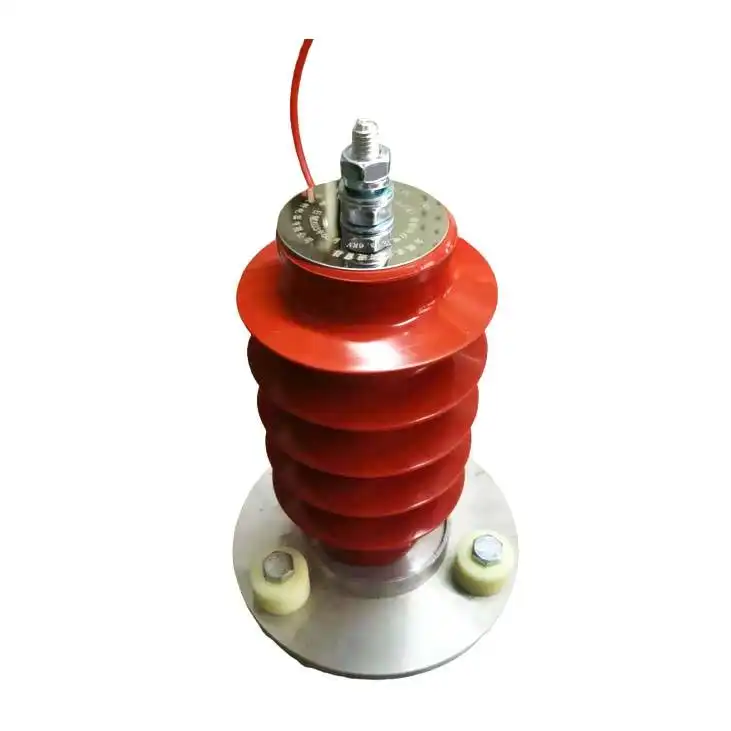
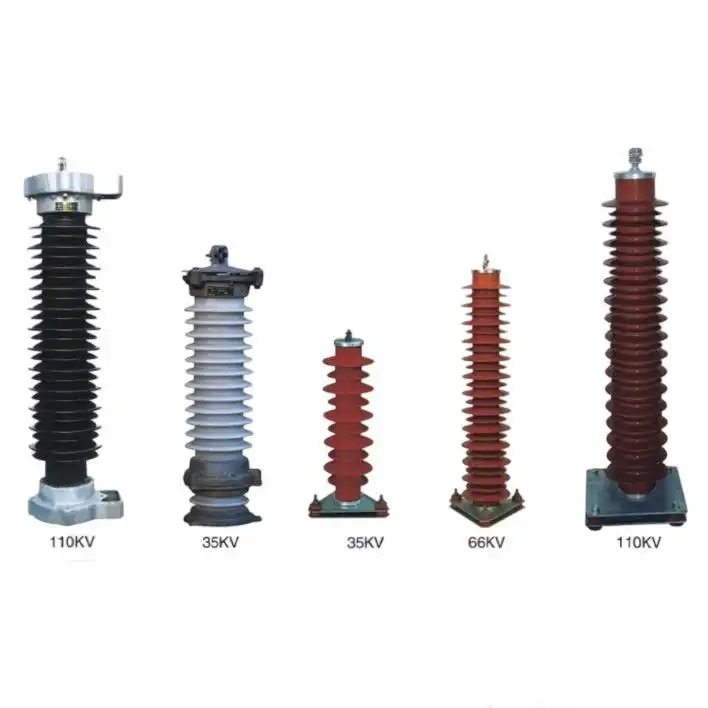
Understanding Lightning Arresters and SPDs: Definitions and Core Functions
Before you compare these two things, it's helpful to know what they each do in a power system.
What Is a Lightning Arrester?
A lightning arrester is a high-voltage safety device that is put in place at substations, transformer entry points, and the ends of overhead lines. Its main job is to safely direct large-energy transient overvoltages to ground. These can be caused by direct lightning strikes or big switching events. Modern metal oxide arresters (MOAs) use zinc oxide varistor blocks that only conduct when the voltage goes above a certain level. They then return to normal operation on their own. It is common for installation to happen on the primary side of transformers in AC systems ranging from 10kV to 220kV.
What Is an SPD?
When low-energy brief overvoltages happen in a building's distribution system, a surge protection device (SPD) takes care of them. These spikes are caused by motor switching, lightning coupling, or problems with the power grid. You can put SPDs inside low-voltage distribution panels, close to sensitive loads like PLCs, transmission gear, or building control systems. As voltage spikes happen, they stop them before they damage equipment with lower impulse withstand rates.
How Each Device Works
A lightning arrester can receive and reroute thousands of amperes of discharge current in a matter of microseconds. The main arrester stops bigger surges, but an SPD stops smaller ones that go through the building's wires after the main arrester is done. There is one at the system border and one at the tool level. Together, they make a layered defense.
Key Differences Between Lightning Arresters and SPDs
Procurement managers can choose the best gadget for each application point if they understand the scientific and practical differences.
Energy Handling and Voltage Level
Lightning arresters work with middle and high voltages, like 10kV, 35kV, 110kV, or more, and can handle discharge currents of 5kA to 20kA, according to IEC 60099-4. It works with low voltages (below 1,000V AC) and small discharge currents (1kA to 40kA for Type 1 devices at the service entry). There is a big difference in how much energy these two types of SPDs can handle. A lightning arrester rated for 102kV can handle amounts of energy that would destroy a low-voltage SPD right away.
Technology and Classification
Lightning arresters today mostly use zinc oxide (ZnO) varistor technology instead of older silicon carbide designs. This is because ZnO provides better protection and lower continuous leakage current. Based on IEC 61643-11, SPDs can be broken down into three groups: Type 1: these are installed at the service entrance and tested with a 10/350µs impulse; Type 2: these are distribution boards and are tested with an 8/20¼s impulse; and Type 3: these are at the point of use, close to sensitive equipment. Choosing the right type and technology relies on where it will be installed and what kind of surge current pattern is expected.
Placement, Maintenance, and Service Life
A lightning arrester is put up outside on substation gantries or transformer bushings, where it is exposed to UV light, pollution, high and low temperatures, and humidity. High-quality polymer-housed arresters have sheds made of silicone rubber that don't wear down or track in ocean or desert settings. SPDs are kept safe from the weather inside in low-voltage panels, and they usually need to be replaced after absorbing a certain amount of energy over time. Lightning arresters can last more than 25 years if they are properly specified with hermetic sealing and high-quality ZnO blocks. On the other hand, SPDs usually need to be inspected every 3–5 years.
Selecting the Right Device: Criteria & Procurement Considerations
When traders are looking for electrical items to send to Africa, Southeast Asia, or South America, they can't just use one chart line to choose which devices to use. Several technical and legal factors decide if a device meets the requirements for connecting to the local grid.
Key Technical Selection Parameters
If you want to know if a lightning arrester or SPD fits your project needs, here are the main factors that you should consider:
- Rated voltage and system voltage (Ur): The arrester's continuous operating voltage must exceed the highest system voltage at the installation point. For a 110kV system, the YH10W-102/266W with a 102kV rated voltage fits standard IEC application requirements.
- Nominal discharge current (In): Most transmission and distribution applications specify 10kA or 20kA. The discharge current class determines both the protection level and the arrester's durability over its lifetime.
- Creepage distance: In coastal, tropical, or high-pollution areas common across Africa and Southeast Asia, a creepage distance of at least 31mm/kV is necessary to prevent surface flashover under contaminated conditions.
- Altitude rating: Sites above 1,000 meters require derating or specially designed equipment. Xi'an Xikai's equipment meets operational requirements at altitudes up to 4,000 meters.
*System voltage (Ur) and rated voltage (V): The constant working voltage of the arrester must be higher than the highest system voltage at the installation point. Normal IEC application needs are met by the YH10W-102/266W, which has a 102kV maximum voltage and is used in a 110kV system.
Certification and Compliance
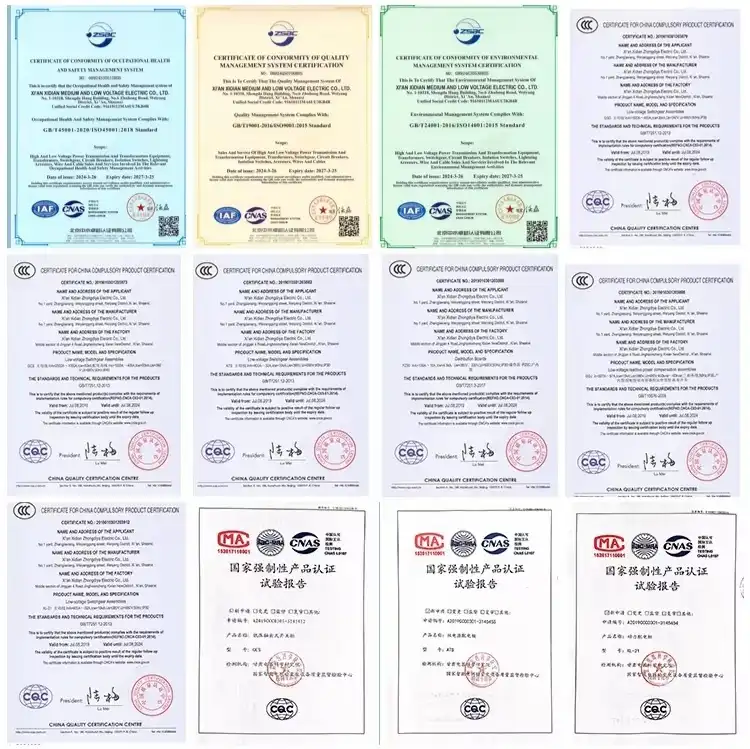
These conditions can't be changed for export projects where IEC 60099-4 or similar national standards are used to check arriving equipment by local grid officials.
Total Cost Considerations
The main international standards are IEC 60099-4 for lightning arresters in AC systems and IEC 61643-11 for SPDs in low-voltage systems. Third-party test reports from well-known labs are very important for buyers looking for substation packages during customs clearance and grid acceptance testing. Also, buyers should make sure that the product meets IEEE C62.11 standards for places in or near North America. Do not just ask for a license number; always ask for the original test record as well.
Best Practices for Lightning Protection System Design and Installation
A technically right choice of device is only useful if it is installed in a way that follows best engineering practice.
Layered Protection Architecture
Not a single device can handle all surge situations. A high-voltage lightning arrester should be placed at the entrance to the substation to stop both direct and near-miss lightning. Type 1 SPDs should then be placed at the low-voltage service door of any control building that is connected, and Type 2 or Type 3 SPDs should be placed at sensitive load panels. This layered design makes sure that any energy that isn't taken by the first stage is weakened before it gets to equipment that can't handle high impulses.
Installation Guidelines
How well security works is directly related to the length of the grounding line. According to IEC 60099-5, the ground link should be as short and straight as possible. This is because every extra meter of lead inductance adds about 1kV of leftover voltage during a 10kA discharge. The manufacturer's installation manual should be used to find out the correct mounting orientation, clearance distances, and connection torque values. The YH10W-102/266W's polymer housing gets rid of the worries about breakage that come with porcelain units while they are being shipped and set up in remote areas.
Maintenance and Inspection Protocols
Lightning arresters should be inspected regularly to look for cracks in the housing, shed erosion, or rust on the end fittings. A clip-on milliampmeter should also be used to measure any leaking current. A resistive leakage current reading above the manufacturer's warning level, which is usually a 50–100% rise from baseline, means that the ZnO block is breaking down and needs to be replaced before it fails. When maintenance teams pair an arrester with a discharge clock, they can keep track of the total stress and plan replacements based on condition instead of time.

Conclusion
It's not a case of either/or when choosing between an SPD and a lightning arrester. Instead, it comes down to where each device fits in the safety chain. Lightning arresters protect the places where high voltage enters substations and transformers from energy surges that could damage them. SPDs keep the low-voltage electronics that comes after them safe. For export packages going to places with harsh weather and strict grid acceptance standards, the best way to avoid costly field failures and project delays is to choose devices that have been verified to have IEC certification, the right creepage distance, and reliable sealing performance.
FAQ
1.What is the main difference between a lightning arrester and an SPD?
A lightning arrester handles high-energy overvoltages at medium and high voltage levels, typically at substations or transformer entry points. An SPD handles lower-energy transient surges at the low-voltage distribution level, near sensitive equipment. They are complementary, not interchangeable.
2.Can I install both devices in the same power system?
Yes, and this is the recommended approach for complete surge protection. The lightning arrester provides primary protection at the system boundary, while SPDs provide secondary protection inside distribution boards and at equipment terminals.
3.Does the YH10W-102/266W comply with IEC 60099-4?
Yes. The YH10W-102/266W is designed and tested in accordance with IEC 60099-4 and IEEE C62.11. Each unit undergoes 100kV lightning impulse testing, 24-hour salt fog exposure, and partial discharge monitoring below 10pC before shipment.
4.How does creepage distance affect arrester selection for tropical or coastal sites?
High humidity, salt deposits, and industrial pollution reduce the surface resistance of the arrester housing. A higher creepage distance—31mm/kV in the case of the YH10W-102/266W—maintains the required flashover margin under contaminated conditions, which is particularly important for substation projects in West Africa, Southeast Asia, or coastal South America.
5.What is the expected service life of a polymer-housed arrester?
With hermetic sealing and quality ZnO valve blocks, polymer-housed arresters like the YH10W-102/266W are engineered for a service life exceeding 25 years under normal operating conditions. Hermetic sealing prevents moisture ingress, which is the primary cause of premature failure in high-humidity environments during long ocean shipping routes.
Get Certified Lightning Arrester Solutions from Xi'an Xikai
Xi'an Xikai sells lightning arrester products that are IEC 60099-4-certified for export substation packages. Their models range from 10kV to 220kV, and they have creepage options that work well in high-pollution and high-altitude areas. We are a verified lightning arrester maker with over 20 years of experience in more than 15 countries. We can send in-stock models quickly, and we can also make custom models to your exact specs. Get in touch with our export team at serina@xaxd-electric.com, amber@xaxd-electric.com, or luna@xaxd-electric.com. You can get datasheets and technical help at xaxd-electric.com.
References
1. IEC 60099-4:2014 — Surge Arresters — Part 4: Metal-Oxide Surge Arresters Without Gaps for AC Systems. International Electrotechnical Commission, 2014.
2. IEC 61643-11:2011 — Low-Voltage Surge Protective Devices — Part 11: Surge Protective Devices Connected to Low-Voltage Power Systems. International Electrotechnical Commission, 2011.
3. IEEE Std C62.11-2012 — IEEE Standard for Metal-Oxide Surge Arresters for AC Power Circuits (>1 kV). Institute of Electrical and Electronics Engineers, 2012.
4. Hileman, A. R. — Insulation Coordination for Power Systems. CRC Press, 1999.
5. Christodoulou, C. A., Vita, V., Mladenov, V., & Ekonomou, L. — "On the Computation of the Voltage Distribution along the Non-Linear Resistor of Gapless Metal Oxide Surge Arresters." Energies, MDPI, 2018.
6. IEC 60099-5:2018 — Surge Arresters — Part 5: Selection and Application Recommendations. International Electrotechnical Commission, 2018.