
What Is Metal-Clad Withdrawable Switchgear Used For?
2026-11-06 17:32:03
Metal-clad withdrawable switchgear is a category of medium-voltage electrical distribution equipment designed for power systems operating between 1kV and 38kV. It houses circuit breakers and associated components on withdrawable trucks within fully enclosed metal compartments, allowing safe removal and insertion of individual units while the system remains energized. This design directly addresses real operational needs: reducing arc flash exposure during maintenance, enabling hot-swappable components to cut downtime, and preventing cascade failures through compartmentalized construction. For EPC contractors managing industrial plants, power stations, and mining sites, metal-clad withdrawable switchgear is a dependable foundation for distribution systems that cannot afford unplanned outages.
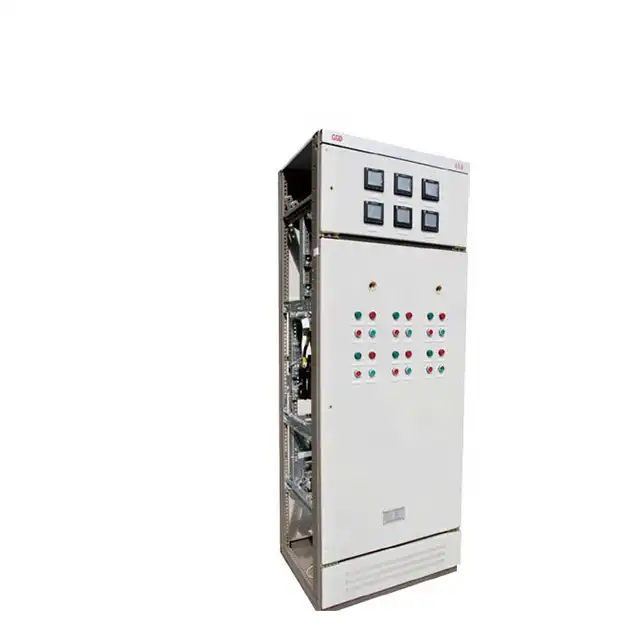
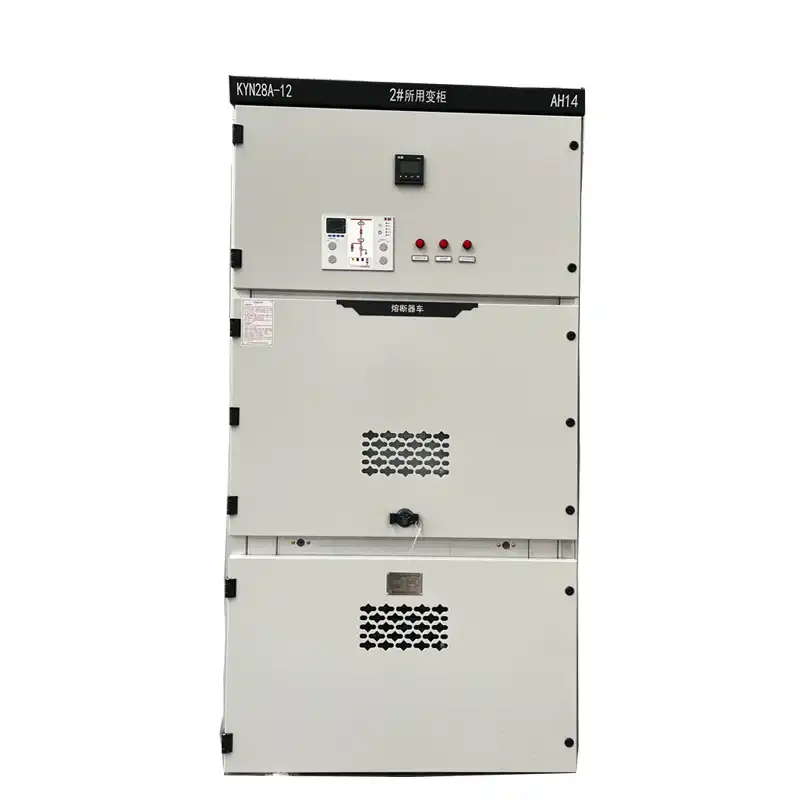
Understanding Metal-Clad Withdrawable Switchgear
What Sets It Apart From Fixed Switchgear
Metal-clad retractable switchgear is different from fixed-mounted switchgear because each circuit breaker is on a guided frame that can be put into three different positions: Service, Test, and Disconnect. This means that maintenance workers can turn off all but one breaker so they can inspect or replace it without having to shut down the whole bus. As per IEEE C37.20.2, this device that can be pulled out must have mechanical interlocks at every point to stop dangerous transitions. This rule directly lowers human error in the field.
Core Mechanical and Electrical Structure
There are four separate areas inside a standard metal-clad retractable switchgear assembly. These are the circuit breaker compartment, the busbar section, the cable compartment, and the control panel. Current flows between panels through insulated copper busbars, and dielectric separation is done by epoxy-resin or vacuum insulation technology. For instance, the KYN28-24 has a rated voltage of 24kV and a range of rated currents from 630A to 4000A. This means it can handle a lot of different types of loads in both commercial and utility settings.
How the Withdrawable Mechanism Works in Practice
If a worker needs to work on a vacuum circuit breaker inside a KYN28-24 panel, they can roll the breaker carriage outward along rails that are placed precisely. As soon as the breaker is pulled, automatic shutters close over the bus stabs, keeping you from touching live operators. With five mechanical interlocks that follow GB3906 and IEC 298, this dead-front design stops four common fault scenarios: using the breaker under load while disconnected, opening the compartment door while the breaker is in the Service position, closing the grounding switch while the breaker is on, and putting the breaker in while the grounding switch is closed with metal-clad withdrawable switchgear.
Core Applications and Benefits of Metal-Clad Withdrawable Switchgear
Because of its design, metal clad retractable switchgear is used in a variety of businesses. Field data from IEC 62271-200 application guides shows that the design of the retractable truck alone cuts down on maintenance downtime by up to 70% compared to fixed systems. Here are the main areas where this equipment is useful and can be measured:
- Industrial plants and steel mills: In environments with high fault currents, airborne dust, and corrosive gases, the KYN28-24's arc-resistant enclosure and 31.5kA short-circuit rating keep operations running through grid disturbances. Motor startup control and process equipment protection are handled without interrupting adjacent feeders.
- Power generation and substations: The switchgear manages incoming utility feeds, generator tie connections, and feeder sectionalizing within both conventional and renewable energy stations. Its compatibility with the NV1-24 vacuum circuit breaker allows direct integration into existing substation layouts.
- Mining operations: Remote mine sites in Central Asia or sub-Saharan Africa face extreme temperature swings and limited maintenance access. The KYN28-24 operates reliably from -10°C to +40°C ambient and tolerates transportation temperatures down to -25°C, which matches the logistics reality of these projects.
- Urban infrastructure and commercial buildings: Its SF6-free design and compact footprint allow substations to be modernized without expanding civil works, a practical advantage in urban redevelopment projects across Northwest China and Southeast Asia.
- Urban infrastructure and business buildings: Its small size and lack of SF6 allow substations to be updated without adding to the amount of civil work that needs to be done. This is useful for urban redevelopment projects in Northwest China and Southeast Asia.
Comparing Metal-Clad Withdrawable Switchgear with Alternatives
Metal-Clad vs. Metal-Enclosed Switchgear
Metal-enclosed switchgear has a single metal housing that doesn't separate the bus, breaker, and cable sections completely. According to IEEE C37.20.2, each major component group in metal-clad retractable switchgear must occupy a separate grounded metal compartment. During a fault, this difference is important: a busbar fault in metal-enclosed gear can spread to the breaker room, but the same fault stays inside metal-clad switchgear. This difference in structure is very important for projects that need to control faults, like those on State Grid or foreign utility tenders.
Metal-Clad Withdrawable vs. Fixed-Mounted Medium Voltage Switchgear
Fixed switchgear costs less up front, but for breaker repair, the whole area has to be turned off. This restriction causes an unacceptable risk of downtime in places where processes run all the time, like chemical plants, water treatment plants, and data centers. This problem can be fixed by the withdrawable design, which lets one breaker be serviced while the feeders next to it stay live.
Air Circuit Breaker Withdrawable Systems vs. Vacuum Circuit Breaker Units
Switchgear made before the 1990s often had air circuit breaker methods. Vacuum circuit breakers, like the ones used in the KYN28-24 and the NV1-24, need less upkeep, have contacts that last longer, and don't need SF6. When EPC contractors buy equipment for projects in places with poor service infrastructure, vacuum technology lowers the chance that the equipment will need specialized maintenance visits in its first ten years of use.
Maintenance, Safety, and Common Issues
Routine Maintenance Schedule
Metal-clad retractable switchgear should have preventative repair every two to three years or after 500 rack operations, whichever comes first. Contact resistance tests with micro-ohm meters, checking the function of the mechanical interlock, cleaning the insulating surfaces, and making sure the shutter works are all maintenance chores. If the readings on contact resistance tests are more than 50% higher than the baseline values, they need to be cleaned or replaced before the next service cycle.
Built-In Safety Features
In the KYN28-24, the five-interlock system protects against the most common switching errors that happen in the field. In addition to mechanical interlocks, the partitioned container design stops the spread of arc energy if there is a problem inside, keeping people and panels nearby safe. For placements outside or in dusty places, there are IP54-rated enclosure choices that have been tested according to IEC 60529 with metal-clad withdrawable switchgear.
Common Operational Issues and How to Address Them
A common early warning sign is a rack mechanism that is too stiff. If it takes more work than usual for the expert to move the breaker carriage, they should check the guide rails for damage or wear before they do another job. Monitoring relays picking up partial discharge signs mean that the insulation is breaking down, which needs to be looked into right away instead of waiting until the next planned service. Most surprise outages can be avoided by paying attention to these signs ahead of time.
Procurement Insights and Best Practices
Key Technical Selection Criteria
Before making a shortlist of suppliers for metal-clad retractable switchgear for EPC projects, procurement teams should make sure of three things: national type test reports (not just factory test reports), documented field installation cases in similar environments, and a clear delivery schedule with milestone promises. At the technical review stage of projects in the Belt and Road area, it's just as important to make sure that the local grid link approval works with the project.
Evaluating Supplier Capabilities
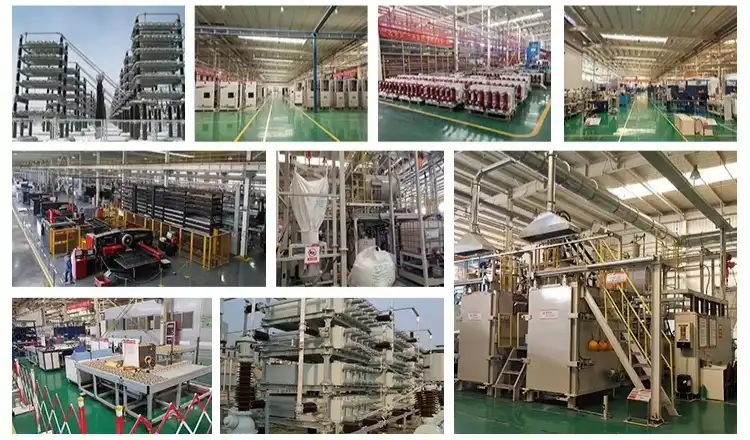
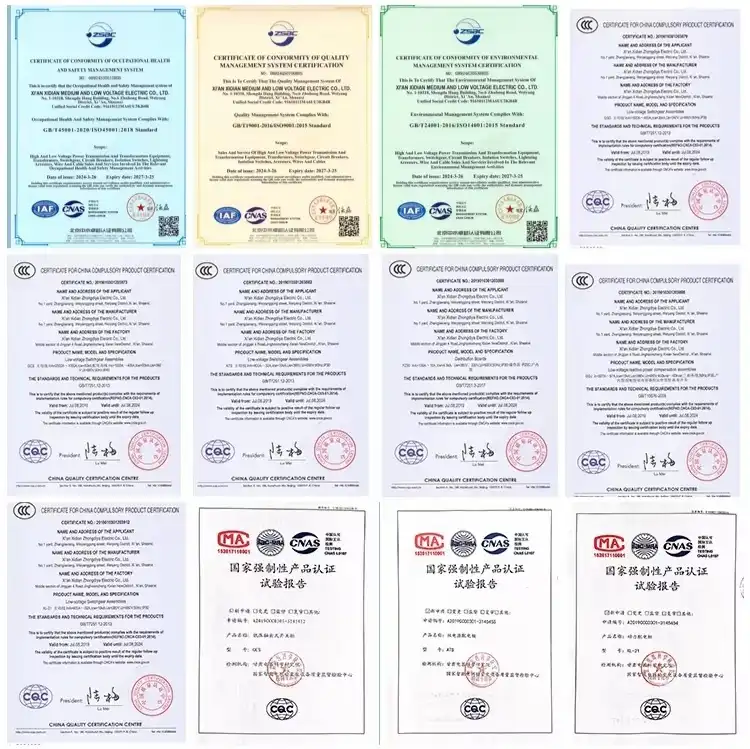
A good company that makes metal-clad retractable switchgear should offer full technical documentation packages. These should include type test certificates according to IEC 62271-200, secondary scheme drawings, and installation guides written in the language needed for the project. Xi'an Xikai has provided switchgear to State Grid projects, industrial facilities, and international EPC contracts in Africa, Central Asia, and Southeast Asia. They have also provided documentation that meets both GB and IEC standards.
Ordering, Lead Time, and Customization
One-time orders of five to fifty panels are common for industrial and substation EPC packages. The three things that most often cause delivery delays are lead time, drawing approval steps, and packaging for long-distance shipping. If you choose anti-condensation heaters, custom RAL powder coat finishes, or certain relay brands during the technical review process instead of after the plan has been approved, you can avoid the revision cycles that push back delivery dates.
Conclusion
metal-clad withdrawable switchgear Metal clad retractable switchgear is used in industrial and utility distribution systems because it solves real problems. It keeps maintenance safe, stops faults before they spread, and lets lines be serviced without shutting down circuits next to them. These ideas are used by the KYN28-24 at 24kV, with current rates of up to 4000A, five-interlock safety, and compatibility with vacuum circuit breakers. These specs meet the needs of power plants, mines, and factories in both domestic and foreign project markets. When EPC vendors make long-term choices about what to buy, the right switchgear standard is the basis for how everything else works.
FAQ
1.What does "withdrawable" mean in medium-voltage switchgear?
The circuit breaker is mounted on a guided carriage that can be physically taken off the panel without having to disconnect the busbar. This is called a "removable mechanism." As per GB3906 and IEC 298 standards, the KYN28-24 has mechanical interlocks in the Service, Test, and Disconnect positions to stop unsafe operations.
2.What voltage and current ratings does the KYN28-24 support?
The KYN28-24 is rated at 24kV and can handle rated currents of 630A, 1250A, 1600A, 2000A, 2500A, 3150A, and 4000A. This means it can meet most industrial distribution and substation feeder needs.
3.What safety standards apply to metal-clad withdrawable switchgear?
For the switchgear assembly, GB3906, IEC 298, and IEC 62271-200 are relevant standards. For metal-clad building rules, IEEE C37.20.2 is also relevant. As for IEC 61439 for type-tested assemblies, the KYN28-24 also meets it.
4.How often should the withdrawable mechanism be inspected?
Every two to three years or after 500 racking operations, you should do a preventative inspection. Too much racking force, obvious rail wear, or locking resistance during position changes are all warning signs.
5.Can the KYN28-24 be used in high-altitude or extreme-temperature environments?
Standard units can work at temperatures ranging from -10°C to +40°C and at elevations of up to 2000m. For projects that go beyond these conditions, like those in very cold or high-altitude areas of Central Asia, users should contact the manufacturer directly to get configurations that are made just for their needs.
Get a Quote From Xi'an Xikai — Trusted Metal-Clad Withdrawable Switchgear Manufacturer
Xi'an Xikai has been making metal-clad withdrawable switchgear metal-clad retractable switchgear for over 25 years and has IEC/GB-certified type test reports to back up their work. They supply this equipment for EPC projects in the industrial, utility, and Belt and Road markets. You can get the KYN28-24 with full technical documentation and current ratings from 630A to 4000A. Get in touch with our team right away to get specs, confirmed wait times, and project-specific help:
References
1. IEEE C37.20.2 — Standard for Metal-Clad Switchgear, Institute of Electrical and Electronics Engineers, 2015.
2. IEC 62271-200 — AC Metal-Enclosed Switchgear and Controlgear for Rated Voltages Above 1 kV and up to and Including 52 kV, International Electrotechnical Commission, 2021.
3. IEC 61439-1 — Low-Voltage Switchgear and Controlgear Assemblies: General Rules, International Electrotechnical Commission, 2020.
4. GB 3906 — Metal-Enclosed Switchgear and Controlgear for AC Systems Above 3.6 kV and up to and Including 40.5 kV, Standardization Administration of China, 2020.
5. IEEE Guide for the Application, Installation, and Maintenance of Metal-Clad Switchgear, IEEE C37.010, Institute of Electrical and Electronics Engineers, 2016.
6. Electrical Power System Design and Equipment Standards for Industrial Facilities, ANSI/NFPA 70 National Electrical Code, National Fire Protection Association, 2023.